

Packaging Design Quotation for Food Products: What to Consider
Imagine strolling down the snack aisle – that eye-catching jar or bold cereal box practically winks at you. In many ways, your packaging is a silent salesperson on store shelves. It’s telling your brand story before anyone even takes a bite. But great design doesn’t come free.
How much should you budget, and what exactly goes into that magic quote? Let’s peel back the wrapper on food packaging design quotes, so you know what you’re really ordering (pun intended).
Why strong design pays off. Creative food packaging does more than just look pretty. It builds your brand identity, attracts customers, and can literally drive up sales. For example, VistaPrint emphasizes that well-designed packaging “isn’t just about aesthetics; it’s a crucial element in building brand identity”.
In other words, your peanut butter or granola box must be as smart as it looks. Good design signals quality and builds trust – especially important in the USA market where customers care about health, origin, and eco-friendliness.
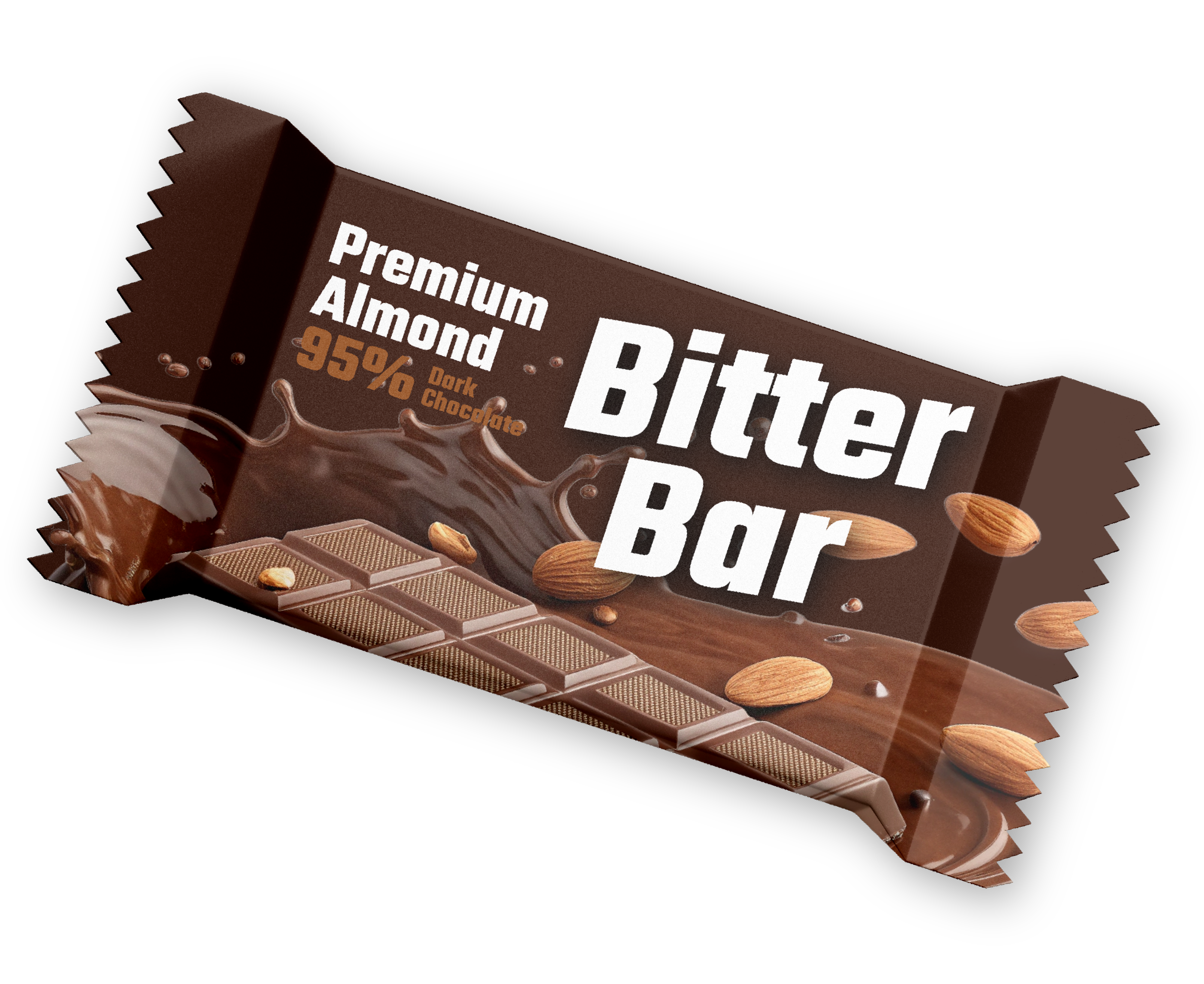
Creative food packaging design can capture attention — for instance, a specialty dark chocolate bar wrapper that uses bold color and typography to stand out.
When you work with a design pro, they craft packaging that “tells your brand story” at a glance. A savvy customer sees your logo and flavor callouts and instantly knows what’s inside. But crafting that perfect first impression takes multiple steps and skills. So let’s break down what a packaging design quotation actually includes.
What is a Packaging Design Quote?
A packaging design quote is essentially a breakdown of all the design work you’re buying. It’s more than a flat fee – it’s an itemized list of deliverables and services. Think of it like this: you’re ordering a multi-course meal, not fast food.
For example, a typical quote will cover structural design (the dieline or engineering of the box), graphic design and artwork (the colors, fonts, and images), plus any prototyping or sampling, revisions, and final print-ready files. Some agencies even include brand guidelines or photography.
When you send a brief to a designer, they’ll usually respond with a quote that lumps these into separate line items. As one industry analysis explains, packaging costs are “almost always a sum of five discrete cost components” – from engineering the box shape to adding special finishes. In practice, a quote might look like:
- Structural Design (Dieline Engineering): Creating the flat cutting pattern that folds into your box or pouch.
- Graphic Design & Artwork: The visual look – layout, typography, colors.
- Prototyping/Samples: Making a mock-up or prototype of the package.
- Production Setup: Preparing files and liaising with printers (incl. color specs).
- Finishes & Extras: Special coatings, embossing, windows, die-cuts, etc.
Each of these can be separated in the quote or rolled into a “package.” For example, an entry-level freelancer might bundle most of it into one price, whereas a full-service agency will list them individually. Either way, you should get clarity on what you’re paying for. (When in doubt, ask about each line item so nothing is hidden in the fine print.)
And remember: if you really want to look (and taste) professional, it often pays to consult a specialized food packaging design agency for your quote. These pros understand shelf trends and FDA labeling requirements. They’ll ask the right questions up front, so your quote is accurate and includes everything from creative mockups to compliance checks.
Key Cost Factors in a Food Packaging Quote
Food packaging design quotes can swing widely in price – from a few thousand dollars to tens of thousands. VistaPrint reminds us that “packaging costs can vary widely based on materials, number of units… and design services used”. In North America, one guide finds quotes ranging from $1,000 to $50,000 depending on complexity, with most brands spending $3,000–$15,000 for professional work.
So what drives that range? Here are the big ones:
- Design Complexity: A simple sticker label or plain kraft box will cost less than an intricately illustrated, custom-shaped package. VistaPrint warns, “the more complex the design… the higher the cost of the packaging”. Adding metallic foils, windows, embossing or cut-outs significantly ups the price.
- Number of SKUs: More flavors or sizes mean more work. The first SKU (say, your original flavor) costs full price. Each additional SKU usually adds only 20–40% of that base design cost, since much of the artwork is already done.
- Revisions & Rounds: How many logo options, color palettes, or label rounds do you need? Most quotes include a set number of revisions; extra rounds mean extra fees. Agree on this upfront to avoid surprises.
- Design Expertise: A junior designer or contest platform (think $1K range) will be cheaper but give limited concepts. A boutique agency or award-winning studio (the $10K+ range) brings deeper strategy, research, and polish.
- Timeline: If you need a rush, expect a rush fee. Quality work takes time (often 4–12+ weeks), and expedited delivery can hike the quote.
- Regulatory/Compliance: In food packaging, labeling rules matter. While U.S. law only mandates English nutrition facts, some brands choose bilingual or organic certification labels. Each extra language or certification review can add a few hundred dollars per SKU. (For reference, FDA compliance checks alone might run $250–$1,500 per label.)
- Materials & Printing: If your design quote includes print coordination, material choices play a role (more below). Higher print runs lower unit cost; low-volume digital print costs more per unit. Always clarify in advance if your quote includes mock-up printing costs or just design.
In practice, food brands usually land in the mid-tier: you’ll get a handful of polished concepts (3–4 designs), multiple revisions (often 3–5 rounds), and a complete package of deliverables (print-ready files, dielines, some mock-ups). This “sweet spot” covers both creativity and production know-how.
Design vs. Production: What’s Included
It’s important to distinguish the design quote from the production quote. The agency’s quotation covers creating your artwork and mockups. It may include arranging printing (some agencies coordinate with printers), but often the actual printing (boxes, labels, pouches) is a separate expense.
Here’s how they differ:
- Design Quotation: Covers creative concept, structural engineering, artwork, brand consultation, and final files. It may include a basic digital mockup or a printed sample charge if noted.
- Production/Printing Quotation: This comes from the packaging manufacturer or printer. It lists the cost per unit for materials (cardboard, plastic, glass, etc.), the printing process, setup charges, minimum order quantities (MOQs), shipping, etc.
When planning your budget, keep both in mind. For example, if you want a matte-laminated cardboard box vs. a clear plastic pouch, the printing and material costs will differ greatly. Also consider compliance (e.g. tamper-evident seals, FDA-approved inks, etc.) in the production quote.
To make it concrete, below is a brief comparison of how different choices affect costs. This isn’t exhaustive, but it highlights typical variations:
|
Factor |
Budget Option (Lower Cost) |
Premium Option (Higher Cost) |
Cost Impact & Notes |
|
Material |
Uncoated kraft or thin cardstock |
Rigid box (thick board) or custom glass/plastic |
Plastic and standard paper are cheapest, metal/glass are priciest. Material quality (recycled vs. virgin) also affects price. |
|
Printing |
Digital single-color or 4-color process |
Full-color offset, with specialty inks (metallic, UV) |
More colors and special inks require extra plates and setup time. High-coverage or complex graphics raise per-unit cost. |
|
Finishing |
Matte or standard glossy lamination |
Foil stamping, embossing, die-cuts, soft-touch laminate |
Premium finishes add one-time setup costs (for dies/screens) and extra labor. They “pop” visually but increase the quote. |
|
Labels/Compliance |
Basic single-language FDA label |
Bilingual label, organic/Kosher/Halal logos |
Extra languages or certified claims often add design time and regulatory review. (E.g. Canadian bilingual labels add 15–30% cost.) |
|
Order Volume |
Small run (e.g. 1,000 units) |
Large bulk run (10,000+ units) |
Higher volumes dramatically cut per-unit costs thanks to economies of scale. Low MOQs usually mean higher cost per piece. |
Each cell above could double (or more) your costs compared to the budget-friendly option. For instance, Lacerta Group notes that plastic tends to be more cost-effective than paper, and metal (glass/jars/cans) is the most expensive choice. Similarly, choosing an eco-friendly or compostable material often adds a premium.
Keep this table in mind when evaluating quotes. If one supplier’s design price seems high, check whether they’ve included any of these premium elements. If not, compare apples-to-apples with what each quote actually covers.
Tips for Getting the Best Quote
Now that we’ve dissected the components, here are some practical tips to ensure you get an accurate and fair quotation:
- Be Clear and Detailed in Your Brief: Give designers your product dimensions, expected package use (shelf, freezer, on-the-go), and any mandatory design elements (logos, colors, mandatory text). If you already have a target material or style, mention it. Some guides recommend preparing product dimensions, print requirements, quantity, and required certifications upfront. The more info you provide, the more precise the quote will be.
- Ask for an Itemized Quote: A good quote should break out the costs (design work vs. sampling vs. printing setup, etc.). This way you know what each part costs and can compare quotes fairly. For example, two quotes might look very different – one might bundle “design + 2 samples” for $4K, while another splits it as $3K design + $1K sampling. You want to see both views.
- Compare Deliverables: Cheaper quotes may cut corners. Make sure you’re comparing the same scope: if one agency offers “3 initial concepts + 3 revisions” and another offers “5 concepts + unlimited revisions,” the second will naturally cost more.
- Inquire About Agencies’ Expertise: Price often reflects experience. Agencies with a strong track record (especially in food/beverage) can justify higher rates because they bring marketing research, regulatory savvy, and creative polish. As one review of agency pricing notes, agency rates often run $100–$149/hr, depending on location and expertise. It’s usually worth paying a bit more to avoid costly mistakes later.
- Factor in Revision Time: Some small details (like shifting nutrition facts to a different panel) might seem trivial but actually take design time. Ask how many rounds of edits are included. If the quote only covers, say, two revisions, any extra tweaks will add fees.
- Check for Hidden Costs: Watch out for things like rush fees, extra charges for multiple formats (if your product has both bottle and pouch versions), or file conversions. The PaperBox guide on packaging quotes has a checklist of 10 line items every quote should include – you could even use it as an audit list.
- Understand Printing Costs: If you ask for printed samples, get details on printing methods. Digital printing is great for prototypes or short runs (lower setup, higher per-unit), while offset or flexography suits large runs (higher setup, cheaper per-unit). Make sure the quote clarifies which method applies, or if you need to get a separate production quote.
- Leverage Industry Data: For a sanity check, look at published pricing guides. For instance, Clutch’s 2026 packaging design report shows that most Food & Beverage projects stay under $10,000. This isn’t a hard rule, but it tells you if a quote is in the right ballpark. For more details, see the Clutch Packaging Design Pricing Guide (they list average budgets by industry).
Ultimately, a packaging design quote is an investment in your product’s success. High-quality design usually pays for itself – the increased sales and stronger brand recall can far outweigh the initial cost. The key is to be an informed customer: ask questions, compare offers, and align the quote with your marketing goals.
Conclusion
In the end, a food packaging design quotation is more than just a price tag – it’s a roadmap to how your product will look and feel. By understanding what goes into that quote, you make smarter choices. Remember: design is strategic, not random. It involves technical specs (dielines, printing), creative work (artwork, branding), and legal know-how (labels, materials).
You’ll likely get quotes ranging from a few thousand to tens of thousands of dollars. This range depends on your needs. Small indie brands might start around $3–5K for a simple pack, while major launches with fancy boxes can run $20K+.
There’s no shame in the budget you have – what matters is matching it with quality. If you go low-end (think basic logo overlay on a stock box), be aware of the trade-offs. If you go premium, make sure it really enhances your product.
Now that you’re armed with insights, here’s the game plan: draft a clear request, share it with two or three designers/agencies, and compare their quotes line-by-line. Ask them about each component and revision policy.
Check that they understand food packaging rules and your brand voice. And yes, ask questions like a shopper in the aisle: why does this color scheme cost more? Is the nutritional panel included? Do you handle printing or just the artwork?
With these tips, the process will be less mystifying and more manageable. Finally, don’t forget to enjoy the creative journey – after all, this is the chance to give your product a voice on shelves. The right packaging can become a powerful marketing tool, inviting customers to taste your vision. Bon appétit, and happy designing!
Frequently Asked Questions
Q: What exactly is included in a food packaging design quotation?
A: It usually covers concept development, structural design, artwork, revisions, mockups, and final print-ready files. Printing costs are often separate.
Q: How much should I budget for packaging design?
A: A typical professional project can range from about $3,000 to $15,000, while simpler work may cost less and complex branding projects may cost much more.
Q: Do printing and material costs come in the design quote?
A: Usually not. Design fees cover the creative work, while printing, materials, and production are typically quoted separately.
Q: What information should I provide to get an accurate quote?
A: Share your product size, packaging type, materials, quantity, brand assets, required label information, design preferences, certifications, and deadline.
Q: How can I compare quotes from different packaging designers?
A: Compare the scope, concepts, revisions, deliverables, timeline, and extra fees, not just the final price. Make sure each quote covers similar services
.png)

Comments
Update Comment