

Retail vs Ecommerce Packaging: Why the Design Strategy Should Be Different
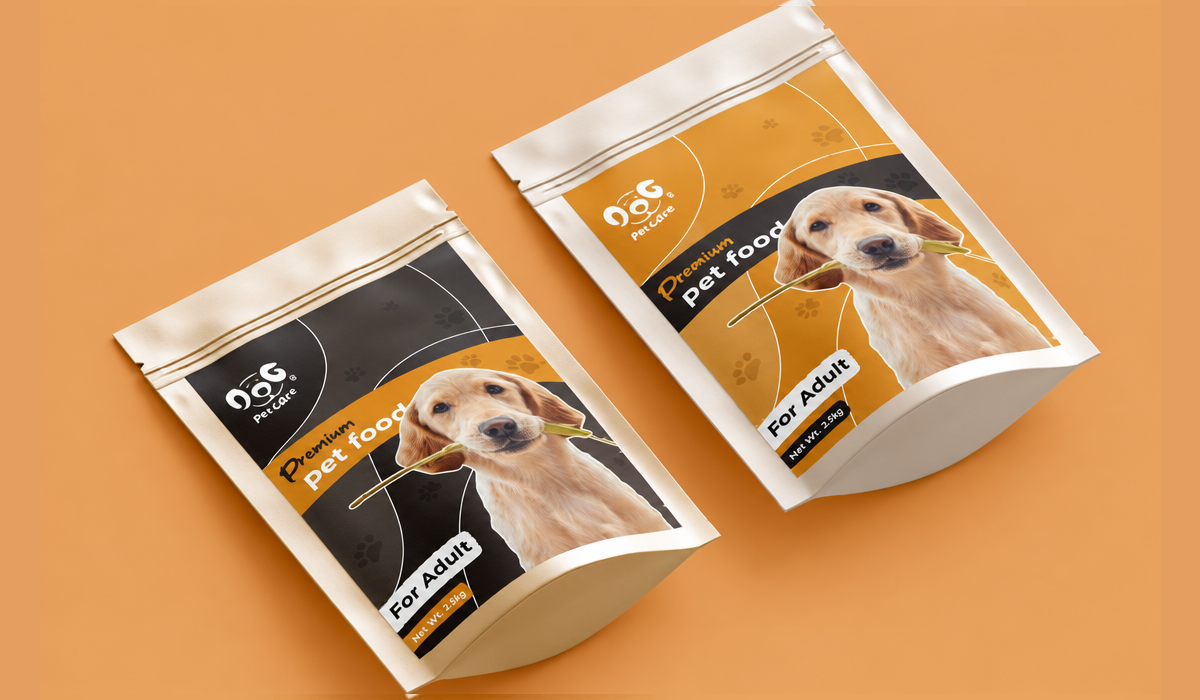
Picture yourself standing in a Target aisle on a Saturday afternoon. You scan a wall of products, and one box catches your eye before you even know exactly what it does. In physical retail, Packaging gets only a few seconds to say, “Hey, over here.” It has to compete with neighboring products, communicate value quickly, and make the item easy to identify.
Now move that same product online. The customer has already seen polished product photography, reviews, pricing, and descriptions before clicking “Buy.” The package no longer needs to shout across an aisle. Instead, it needs to survive fulfillment, shipping, doorstep delivery, opening, and sometimes a return trip. The International Safe Transit Association specifically tests ecommerce packs against hazards such as shock, vibration, compression, temperature, and humidity.
That difference is exactly why brands should not treat one design as a universal solution. Experienced Packaging Design Specialists can build a visual system that feels unmistakably like your brand while adapting its structure and communication to retail shelves, ecommerce delivery, or both. The goal stays consistent, but the environment changes.
And ecommerce is hardly a side channel anymore. The U.S. Census Bureau estimated ecommerce at a substantial share of American retail activity in its second quarter 2026 report, reinforcing why brands need to think seriously about how products perform outside traditional stores.
I like to think of the difference this way: retail design dresses your product for a crowded cocktail party. Ecommerce design prepares the same product for a road trip. One needs presence. The other needs stamina. Great brands manage to give it both.
Imagine selling a premium glass skin care bottle. On a beauty store shelf, a delicate carton, elegant typography, and tactile finish might create just the right luxury signal. Send that exact setup through a parcel network with empty space around the bottle, however, and elegance suddenly needs a crash course in physics. Ecommerce fulfillment can expose products to repeated handling and transportation hazards that traditional shelf presentation does not replicate.
For teams developing products that ship directly to customers, the ISTA 3L ecommerce retailer fulfillment test is a useful resource because it explains the real distribution hazards ecommerce packs may face and provides a standardized framework for evaluating performance. It is a good reminder that attractive design and transit protection should meet long before launch day.
Retail and Ecommerce Packaging Solve Different Problems
At first glance, the difference seems simple: one product sits on a shelf while another arrives in a box.
In reality, the design priorities change throughout the customer journey.
|
Design Priority |
Retail |
Ecommerce |
|
First impression |
Shelf visibility |
Delivery and opening experience |
|
Main competition |
Products beside yours |
Digital alternatives before purchase |
|
Structural concern |
Display, stacking and handling |
Transit, drops, vibration and compression |
|
Visual priority |
Fast recognition at a distance |
Brand reinforcement after purchase |
|
Space efficiency |
Shelf and case efficiency |
Shipping dimensions and weight |
|
Information |
Front facing communication and retail labeling |
Clear instructions, opening and return needs |
|
Brand moment |
Point of purchase |
Arrival and unboxing |
Retail packaging design therefore asks, “How do I get noticed?”
Ecommerce design asks, “How do I arrive intact, efficiently, and still feel worth opening?”
Of course, modern brands often need both answers at once.
Retail Packaging Has to Win the Shelf
Walk through a grocery, cosmetics, electronics, or wellness aisle and notice how quickly your eyes jump between shapes, color blocks, typography, product names, and claims.
Physical stores create visual competition in real time.
Your design needs a clear hierarchy. A shopper should quickly understand what the product is, which brand makes it, which version they are looking at, and why they should care. For products sold through conventional checkout systems, barcode placement also matters; GS1 US provides standards for UPC placement and recommends positioning based on how retail items will be scanned.
For FDA regulated categories, design can also carry legal responsibilities. For example, FDA guidance for cosmetics identifies a “principal display panel” as the part of a package consumers are most likely to see under normal retail conditions and specifies information that needs to appear there.
So the front panel cannot simply look gorgeous. It has a job.
A strong retail design usually gives priority to brand recognition, product identification, variant differentiation, readable claims, shelf visibility, and required information.
There is another practical issue: the design needs to work as part of a product family. If your lavender moisturizer, vitamin C serum, and night cream all look like distant cousins rather than siblings, customers may struggle to connect them to the same brand.
Ecommerce Packaging Has to Survive the Journey
Online, your product's first sale often happens before a customer physically touches the pack. Your website photography and product listing do much of the persuasion.
The physical package then takes over a different assignment: deliver the promise intact.
ISTA's 3L testing protocol was developed around ecommerce retailer fulfillment and addresses hazards including shock, vibration, compression, temperature, and humidity. That makes structural design much more important than simply adding thicker cardboard and hoping for the best.
Size matters too.
FedEx explains that shipping charges can depend on either actual weight or dimensional weight, which considers how much space a parcel occupies. An oversized box carrying a small product can therefore create an avoidable logistics penalty.
Think snug, not suffocating.
You want enough protection for the product, but not a refrigerator sized carton for something that could fit in your hand.
The ecommerce experience should also consider returns. The National Retail Federation reported that retailers expected 15.8% of annual sales to be returned in 2025, while NRF has cited a 19.3% online return rate for that year. A pack that customers can reopen, understand, and potentially reuse for a return can therefore have operational value as well as aesthetic value.
Build One Brand System With Two Channel Strategies
Different does not mean disconnected.
A common mistake is designing retail and online packs as though two unrelated companies made them. Your logo changes position. Your shade of blue drifts. Typography suddenly gets adventurous. Before long, the brand has developed multiple personalities.
Instead, protect the core identity while adapting execution.
Keep your recognizable visual assets consistent, such as your logo, primary colors, typography, illustration language, photography style, and tone of voice. Then adjust structural design, information hierarchy, protective elements, and opening experience according to the channel.
Consider a coffee brand.
The retail bag may use a bold roast name and color coded flavor system so a shopper can distinguish varieties quickly.
The ecommerce order can preserve those visual cues while arriving inside a compact branded shipper with a simple opening sequence, brewing note, or QR code.
Same personality. Different stage.
Amazon's Ships in Product Packaging program shows how far this thinking has moved into mainstream ecommerce. Amazon says 28 million unique products were certified for the program in 2025 across North America and Europe, allowing eligible products to travel without an additional Amazon box or bag. Amazon also requires eligible products to meet program and testing requirements.
Sustainability and Compliance Cannot Be Decoration
Sustainable Packaging deserves more thought than printing a leaf icon beside the word “eco.”
The U.S. Environmental Protection Agency's latest published national material figures for this category use 2018 data and show that containers and packs accounted for 82.2 million tons, or 28.1% of municipal solid waste generation that year. The same EPA dataset estimated an overall recycling rate of 53.9% for containers and related materials.
That makes material efficiency a serious design consideration, particularly when ecommerce can introduce secondary shipping materials.
But brands should stay precise when talking about environmental benefits.
The Federal Trade Commission's Green Guides warn marketers against broad, unsupported environmental benefit claims and provide specific guidance around terms such as “recyclable,” “recycled content,” and “compostable.” For example, FTC guidance says recyclable claims may need qualification when suitable recycling facilities are not available to at least 60% of consumers or communities where the product is sold.
In plain English: make better choices, then describe those choices honestly.
For both channels, ask four practical questions before approving the design:
- Does the product have enough protection without unnecessary material?
- Can you reduce empty space without increasing damage risk?
- Can customers understand how to dispose of the materials?
- Can you substantiate every environmental claim you print?
That approach looks less flashy than sprinkling green buzzwords over a carton. It is also considerably more useful.
Conclusion: Design for Where the Product Actually Lives
The smartest Packaging strategy starts with a simple realization: a store shelf and a customer's doorstep are not the same environment.
Retail design needs visibility, instant recognition, clear product communication, and smooth point of sale functionality. Ecommerce design needs protection, space efficiency, shipping practicality, an enjoyable opening experience, and thoughtful return considerations. ISTA, GS1 US, FedEx, Amazon, the EPA, and the FTC all illustrate different pieces of that broader operational picture.
Yet your customer should never feel as though they are meeting two different brands.
Keep the identity consistent. Adapt the structure and experience to the channel. Test what happens beyond the design mockup, because a beautiful box that fails in transit is still a failed box.
Planning a product launch, entering retail, or improving your ecommerce experience? Contact a professional design team to develop Packaging that looks distinctive, works for the way you sell and protects your brand from shelf to doorstep.
FAQs
Can I use the same packaging for retail and ecommerce?
Sometimes, but you should test it against the demands of both channels. A retail pack may perform well on shelves while lacking sufficient protection for parcel delivery. Conversely, a rugged ecommerce box may waste valuable retail space or communicate poorly from a shelf. ISTA's ecommerce protocols demonstrate why direct delivery creates its own set of physical hazards.
What matters most in retail packaging design?
Focus on quick product recognition, a clear visual hierarchy, brand identity, variant differentiation, required labeling, and barcode usability. GS1 US provides specific guidance for retail barcode placement, while FDA requirements can apply to labeling in regulated product categories.
What makes ecommerce packaging effective?
An effective ecommerce pack protects the product while minimizing unnecessary size and material, makes opening straightforward, reinforces the brand, and considers possible returns. Shipping dimensions can also affect carrier pricing because services such as FedEx use dimensional weight calculations.
Should ecommerce packaging focus on the unboxing experience?
Yes, but never at the expense of product protection or efficiency. The best opening experience feels intentional rather than excessive. Ecommerce testing standards emphasize that transit performance comes first because damaged goods undermine both customer experience and resource efficiency.
How can brands make packaging more sustainable?
Start by reducing unnecessary material and empty space, selecting materials appropriate to the product and recovery system, and avoiding unsupported environmental claims. EPA data illustrates the scale of container and package waste, while FTC guidance explains how businesses should communicate claims such as recyclable or recycled content.
.png)
.png)
Comments
Update Comment