

How Packaging Designers Build Creative, Trustworthy Brand Packaging
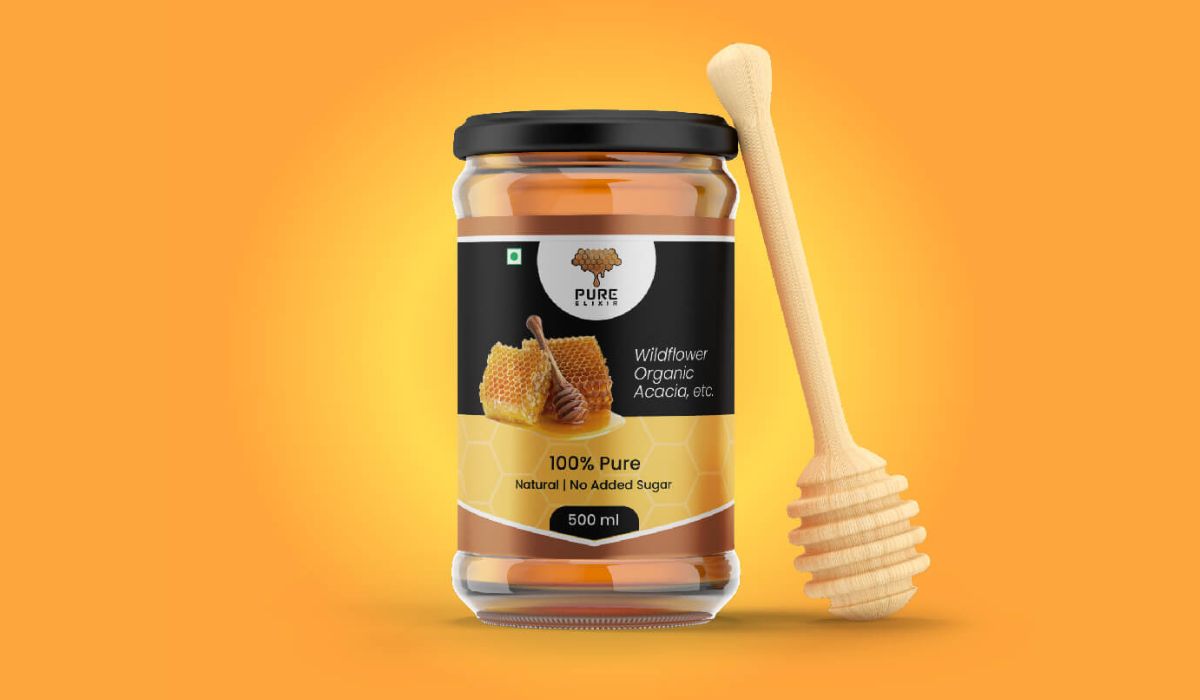
Great packaging does more than wrap a product. It gives a customer a reason to stop, look, understand and believe in the brand before they even use what is inside. In a crowded market, packaging often becomes the first real conversation between a product and a buyer.
This is why Packaging Designers play an important role in modern branding. They do not simply make a box, label or pouch look attractive. They shape how people feel about a product, how quickly they understand it and how much confidence they place in the brand behind it.
A strong package connects design with business purpose. For example, a brand investing in professional packaging design should think beyond colours and layout. The design should explain the product clearly, support the brand story, guide the customer’s eye and make the buying decision easier.
Why Packaging Must Do More Than Look Good
Attractive packaging can get attention, but attention alone does not build a trusted brand. A product may look beautiful and still confuse the customer if the label, message or structure feels unclear. Good packaging needs beauty, function and trust working together.
Skilled designers focus on this balance. They ask practical questions before designing anything. Who will buy this product? Where will they see it? What problem does it solve? What should the customer notice first? What information must appear clearly?
When a package answers those questions, it starts doing real marketing work. It helps the product stand out on shelves, look polished online, support advertising campaigns and create a better unboxing experience.
The Three Jobs of Strong Packaging
Every successful package has three main jobs: attract, explain and reassure.
First, it needs to attract the right audience. A luxury skincare box should not feel like a budget snack pack. A children’s product should not look too serious or clinical. The design style must match the customer’s expectations.
Second, it needs to explain the product quickly. Customers should understand what the product is, who it is for and why it matters without struggling to read the label.
Third, it needs to reassure the buyer. Clear ingredients, honest claims, readable instructions, quality materials and professional branding all help people feel safer about their choice. For environmental or sustainability claims, brands should also follow trusted guidance such as the FTC Green Guides, which help marketers avoid misleading green claims.
Creativity Gives Packaging Its First Impact
Creative packaging catches attention in a busy buying environment. It may use bold colours, clean typography, unique shapes, smart illustrations or a memorable layout. But creativity should never feel random.
Skilled packaging experts use creativity to support positioning. If the product feels premium, the design may use minimal space, refined colours and elegant fonts. If the product feels fun and youthful, the design may use brighter visuals, playful icons and stronger contrast.
The goal is not to decorate. The goal is to make the product easier to notice, easier to remember and easier to choose. That is why creative packaging should always connect with the target audience and product category.
Branding Keeps the Design Consistent
Packaging becomes stronger when it matches the rest of the brand. Your logo, colour palette, fonts, tone of voice and visual style should feel connected across your website, social media, ads and product packaging.
Designers help brands create this consistency. They make sure the package does not feel separate from the business identity. When customers see the same visual language across multiple touchpoints, they start recognising the brand faster.
For example, if a brand uses soft colours and clean design on its website, the packaging should not suddenly use harsh colours and messy graphics. Consistency builds familiarity, and familiarity builds trust.
Trust Starts With Clear Information
Customers want packaging that helps them make confident decisions. If the front label feels confusing, the claims sound exaggerated or the important details hide in tiny text, people may hesitate.
Trustworthy packaging uses clear product names, readable text, honest benefits and simple information flow. It avoids overpromising and focuses on what the product actually offers.
A good designer improves trust by organising information properly. They decide what deserves the most attention, what can move to the back panel and how the customer should read the package from top to bottom.
How Packaging Designers Make Products Feel Premium
Premium packaging does not always mean expensive materials. It means the product feels considered, polished and valuable. Good spacing, balanced typography, strong contrast, quality imagery and clean finishing can make even a simple package feel more professional.
Packaging Designers know how small details change perception. A crowded label can make a product feel cheap. A calm layout can make it feel more confident. A weak colour combination can make a brand look forgettable. A thoughtful design system can make it look established.
|
Packaging Element |
How It Builds Trust |
|
Clear typography |
Helps customers read key details quickly |
|
Consistent colours |
Makes the brand easier to recognise |
|
Quality imagery |
Shows the product in a professional way |
|
Simple layout |
Reduces confusion and improves buying confidence |
|
Honest claims |
Makes the brand feel reliable |
|
Strong logo placement |
Supports brand recall |
Design for Shelves and Online Stores
Modern packaging must work in more than one place. A product may appear on a store shelf, in an online listing, on Instagram, in an ad creative or inside an unboxing video. The design needs to look strong in all those spaces.
Packaging Designers consider both physical and digital visibility. A design that works on a large box may become unreadable as a small thumbnail online. A label that looks premium in a studio photo may not stand out on a busy shelf.
That is why designers test hierarchy, contrast and readability at different sizes. They make sure the main product name, brand identity and key benefit stay visible even when the customer sees the product quickly.
Balance Trends With Long-Term Brand Value
Packaging trends change often. Minimalist labels, bold typography, earthy colours, vintage styles and eco-inspired designs may become popular, but brands should not chase every trend.
Packaging Designers choose trends carefully. They use current styles only when those styles support the product and audience. A trendy design may bring attention today, but a clear brand system gives the product staying power.
The best packaging feels fresh without becoming forgettable after one season. It should look modern, but it should also protect the brand’s identity over time.
Common Packaging Design Mistakes to Avoid
Many brands lose trust because they rush the packaging stage. They treat design as a final decoration instead of a key part of the product launch.
Common mistakes include:
- Using too many fonts or colours
- Making the product name hard to read
- Hiding important details
- Copying competitor styles too closely
- Using low-quality images
- Adding vague or exaggerated claims
- Ignoring print requirements
- Designing only for looks, not usability
Packaging Designers help brands avoid these issues by planning the design before production. They think about layout, print size, materials, finish, barcode placement, legal information and customer experience.
A Simple Packaging Design Process
A strong packaging project usually follows a clear process. This keeps the work focused and avoids costly changes later.
|
Step |
What Happens |
|
Research |
Study the audience, competitors and product category |
|
Strategy |
Define the message, style and brand direction |
|
Concept |
Create design options based on the strategy |
|
Refinement |
Improve layout, colours, typography and details |
|
Final artwork |
Prepare print-ready files and production assets |
|
Review |
Check readability, accuracy and brand consistency |
Packaging Designers use this process to turn ideas into practical, market-ready packaging. It also helps business owners understand why each design choice matters.
Why Customer Trust Should Guide Every Design Choice
Trust decides whether a customer feels safe buying from a brand. A package can look exciting, but if it feels unclear or careless, it may create doubt.
Good packaging gives customers confidence. It shows that the brand cares about quality, detail and honesty. It makes the product feel ready for the market, not rushed or unfinished.
Packaging Designers build this trust through visual clarity, consistent branding and thoughtful messaging. They create packaging that helps customers understand the product and feel good about choosing it.
Conclusion
Creative packaging may attract attention, but trustworthy packaging wins customers. The best packaging balances style, brand identity and clear communication. It helps people notice the product, understand its value and believe in the brand behind it.
Packaging Designers bring all these pieces together. They turn a product into a branded experience that works on shelves, online stores, social media and in the customer’s hands.
If your product packaging looks outdated, unclear or disconnected from your brand, now is the right time to improve it. Contact us today and create packaging that looks professional, builds trust and helps your brand stand out in the market.
FAQs
Packaging Designers create the visual and structural design for product packaging. They work on labels, boxes, pouches, bottles, wraps and other packaging formats. Their job includes layout, colours, typography, brand consistency, product information and print-ready design.
Packaging Designers help brands create a consistent and professional product identity. They make sure the packaging matches the logo, website, marketing materials and overall brand personality. This consistency helps customers recognise and trust the brand.
Packaging design builds customer trust by using clear information, honest claims, readable text, quality visuals and consistent branding. When a package feels professional and easy to understand, customers feel more confident about buying the product.
A business should hire a packaging designer before launching a new product, refreshing an old product, entering retail stores or improving online product presentation. Early design support helps avoid print mistakes and creates a stronger first impression.
.png)

Comments
Update Comment