

Why Luxury Brands Use Less Information In Their Brochures
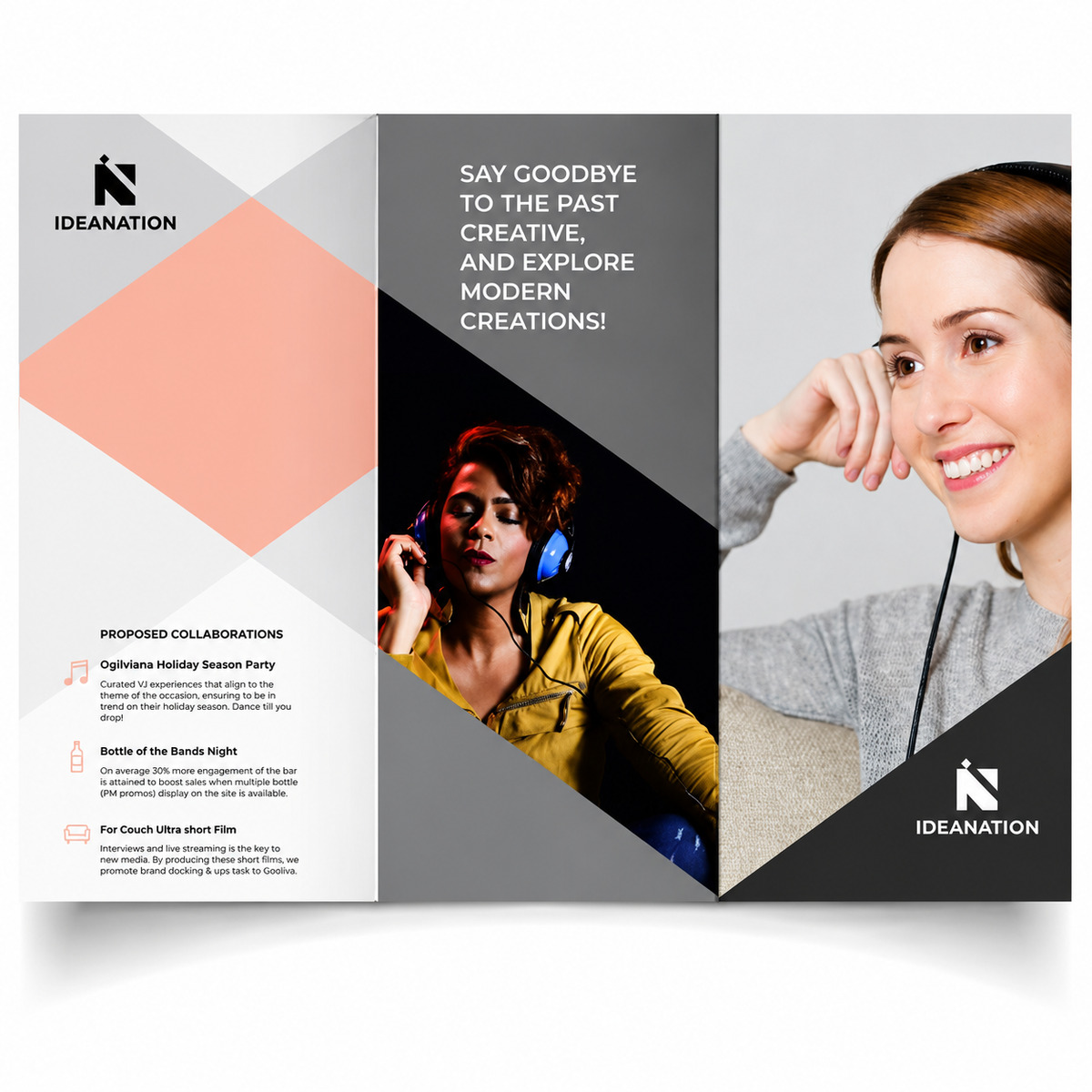
Imagine stepping into an elegant boutique and leafing through a glossy brochure. Immediately, you notice something striking: each page breathes with open space and evocative imagery. There’s a tactile linen cover with a single gold foil logo, a stunning full-bleed photo on the spread, and only a hint of text in refined typography.
Nothing shouts or screams; everything whispers. This minimalist approach is no accident. In luxury marketing, every empty inch and every carefully chosen word has meaning.
Luxury brands know that desire is built quietly. As one expert observes, “In luxury, desire is built quietly. The smartest brands do less — so the audience leans in”. By giving you less information, they entice you to pause, ponder, and yearn a bit more. Instead of bombarding you with feature lists, they trust that you’ll fill in the blanks with the brand’s mystique.
In this post, we’ll unpack why luxury brochures use so little text, how minimal design drives engagement, and what this teaches us about crafting compelling brand experiences (and yes, we’ll sprinkle in a touch of humor and insight along the way).
The Luxury Paradox: More Meaning in Less Space
At first glance, a brochure with just a few sentences and lots of white space might seem like it’s shortchanging you. But think about it: people who buy luxury often crave exclusivity, not explanation.
A Ferrari driver doesn’t need a bullet list of engine specs to feel the thrill. Luxury brands play to this mindset. They know their customers already understand certain signals – a gleaming logo, a rich texture, or a cinematic photo can do what pages of copy could never accomplish.
This strategy taps into psychology. By limiting information, luxury brochures create a sense of mystery and scarcity. Psychologists note that scarcity makes things feel more valuable. When details are sparse, readers subconsciously think, “Ah, only a few select people are worthy of knowing this.” The effect is akin to a velvet rope at a club: by keeping most people out, those inside feel more special.
In design terms, the negative space (blank areas) acts like digital velvet – it highlights the content it does include (like a product shot or a single headline) and gives it room to breathe. One design guide explains that white space “highlights [key elements], exudes a sense of luxury – making the overall design feel clean, modern, and sophisticated”.
Luxury brochures are curated experiences. Instead of listing every feature, they present a story or mood. Maybe it’s an image of silk draping over marble, or a quote from a designer. This invites readers to lean in, forming their own mental narrative.
In fact, research in hospitality marketing shows luxury content often follows a 90% inspiration, 10% information rule. That means most of the brochure is about evoking emotion (the 90%), and only a little is about facts (the 10%). It’s a deliberate imbalance: by giving you mainly imagery and feeling, brands guide your perception rather than your shopping cart.
The Science of Scarcity: Engaging the High-End Mind
Why does this work so well? Part of it is cognitive load theory – a fancy term meaning our brains can only juggle so many details at once. When you pack too much into a design, people tune out. That’s true even in marketing.
One marketing study found that beyond a certain point, adding more information actually reduces conversions. Visitors faced with a glut of text feel overwhelmed and often leave; humans just aren’t built to read “digital novels” on every page.
Luxury buyers, in particular, have a low tolerance for marketing clutter. They’re busy, discerning, and expect your communication to be effortless. If you piled your brochure with paragraphs, they’d most likely flip right through, dismissing it as another sales pitch.
Instead, a simple, spacious layout signals confidence. It says, “We don’t need to persuade everyone – we’re speaking to people who get it.” In that sense, less copy = more respect for the reader’s intelligence.
Consider the famous jam study: shoppers given 6 flavors were more likely to buy than those overwhelmed by 24 flavors. The choice (and information) paradox is similar here. Too many bullet points on a premium watch or a sports car aren’t persuasive; they’re exhausting.
High-end brochures, by contrast, carefully select key touchpoints – maybe the material of the strap, or the inspiration behind the design – and let the reader imagine the rest.
As one design expert puts it, “Well-balanced designs that use white space are often perceived as more elegant, sophisticated, minimalist, and professional”. By giving your eyes a rest, your mind actually focuses on what’s there – and the brand’s aura of exclusivity seeps in.
White Space and Design: Silence Speaks Volumes
What exactly is white space, and why is it so luxurious? White space (sometimes just blank space) is a bit like the pauses in a symphony. It’s not “wasted”; it’s purposeful. Designers use it to frame visuals, direct attention, and create a feeling of calm.
According to the Interaction Design Foundation, effective use of white space helps guide attention, improve readability, and create a cleaner visual experience, which is one reason luxury brochure layouts often feel more premium and intentional.
In luxury brochures, generous margins and padding turn each element into a star. A product photo surrounded by emptiness pops off the page; a short, elegant headline printed in a classic font feels authoritative rather than stuffed.
Graphic design research confirms this: plenty of whitespace makes a layout feel high-end. It’s why Apple’s ads and packaging look so sleek – a smartphone pops up on a sea of white, making it feel precious. Similarly, an espresso shot next to your notes on a bare desk (like many flat-lay photos) suggests leisure and taste. All this subtleness communicates luxury, even before reading any words.
When it comes to type and tone, luxury brands speak softly. Copy is sparse, often poetic. The brochure of a couture house might feature just a poetically phrased tagline or a carefully chosen quote. For example, “Discover the art of invisibility” might accompany an image of a handbag concealed in shadow.
There’s almost a Zen quality: say just enough to intrigue. This contrasts with typical marketing. If you compared pages side-by-side, a luxury brochure would be 90% image / 10% copy, whereas a standard brochure might be flipped (lots of text, small images).
As one client flyer designer quipped, “Don’t fear the void. Let your elements breathe.” That void – the blank white background – actually feels like velvet. It signals intentional luxury: you aren’t just short on content, you’ve chosen restraint.
This design philosophy is so powerful that it’s become a trend. When luxury brands whisper, we listen.
Story Over Sales: Visual Tales, Not Bullet Lists
One of the hallmarks of luxury brochures is visual storytelling. Rather than bullet points, you’ll see narrative sequences or mood boards. Maybe there’s a two-page spread with a model walking through a vineyard as the backdrop of a watch ad, with just a sentence like “Timelessness, in every detail.” The text isn’t spelling out the water resistance or the alloy – it’s setting a scene.
Luxury audiences expect a relationship, not a transaction. They want to feel part of an exclusive story. So brochures often highlight heritage and values, not specs. A watch brochure might show sepia-toned photos of Swiss artisans at work, without calling out “chronometer-certified.” That detail is understood by connoisseurs. The focus is feeling, not facts.
This approach is backed by marketing psychology: emotional resonance trumps rational explanation for affluent customers. Data from hospitality email design shows that using sensory language and shorter sentences increases engagement with wealthy audiences.
Replace an exclamation-laden promo line with an “invitation” tone, and people respond better. So luxury brochures often include poetic subheads or lifestyle blurbs that read like an invitation (“Your next escape awaits”). You might also find expert quotes or a founder’s note – everything carefully curated to build trust and aura.
In practice, you’ll spot certain tropes:
- Large, aspirational photos (often taking up entire spreads). Like a hero shot in a movie, these are what the eye falls on first.
- Tiny logos or subtle brand marks. If the logo is barely visible, it shows quiet confidence.
- Elegant typefaces (serif fonts or custom scripts) printed in one or two ink colors. Minimal or even invisible paragraphs.
Contrast that with a regular brochure. A typical corporate leaflet is full of charts, icons, feature checklists – almost like an instruction manual. In a luxury brochure, such dense detail is viewed as noise. Instead, they rely on your imagination to fill gaps. This trust makes the reader feel smart and in on the secret.
Case Study: From Glitzy to Understated
To illustrate, let’s peek at some real luxury materials (fictitiously named, of course).
- Château Elegance Perfume. Its brochure opens with a spread: one full-bleed photo of the chateau by moonlight. The only text is the tagline: “Midnight in Provence.” Flip the page, and you see a shot of lavender fields with the perfume bottle nestled softly. It’s minimal – no aroma descriptions, no ingredient list. The subtleties of scent are left to your senses and prestige of the brand name.
- StellarTime Watches. Their brochure starts with a photo of a single watch face reflecting sunlight. Underneath, only the model name. Inside, each spread dedicates one side to a large shot of the watch on a wrist, and the facing side contains just two paragraphs about heritage and one callout (“Exclusively Swiss-made”). Compare that to a typical sports watch brochure that might list all time zones, battery life, and component specs on a page.
In both cases, the brand did not fill space with filler. Instead, they used the absence of clutter to highlight quality. Readers feel like they’re being let into a world of craftsmanship and legacy, rather than being sold to. This strategy often yields stronger brand recall – even if someone doesn’t immediately buy, that sense of elevated calm sticks in memory. One marketing blog notes that such tactile, calm designs “ingrain the brand in the consumer’s brain for all the right reasons,” enhancing status.
Luxury vs. Traditional Brochure
To crystallize the differences, here’s a simple breakdown:
|
Feature |
Luxury Brochure |
Traditional Brochure |
|
Layout |
Minimalist grids, generous white margins |
Dense layout, multiple columns and text blocks |
|
Imagery |
Full-bleed, high-resolution hero photos |
Smaller images intermixed with text |
|
Text Content |
Short, evocative headlines or captions |
Detailed descriptions, bullet-point lists |
|
Tone & Copy |
Emotional, aspirational, “invitation” style |
Informative, sales-driven, promotional language |
|
Typography |
Elegant, custom fonts (serif or subtle sans-serif) |
Standard fonts (often sans-serif) |
|
Paper & Finishes |
Premium stock, embossing/foil accents, silk or leather |
Regular stock, possibly glossy or matte finish |
|
Purpose |
Build prestige and desire, reflect brand values |
Convey product details and value proposition |
|
Reader Expectation |
Treat content as art; interpret and aspire |
Seek direct information; make quick comparisons |
|
Effect on Audience |
Creates exclusivity and intrigue |
Aims for clarity and persuasion |
(As the table above shows, luxury brochures trade volume for vibe. They trust that a few powerful elements will convey quality, whereas standard brochures depend on straightforward information delivery.)
Common Pitfalls: When “Less” Becomes “Too Little”
While minimalism is powerful, it’s not as simple as “just cut the text.” The key is intentionality. A frequent mistake is skipping crucial info that the specific audience needs to know. For instance, an ultra-minimal tech brochure might look beautiful but fail if it omits something like price range when buyers explicitly expect it. Even luxury shoppers do want some clarity (e.g. knowing “limited edition of 100” or a hint at cost).
To do it right, focus on strategic hints:
- Essential Specs Only: Include one or two “hero” facts if they matter. (Example: “Takes 200 hours to craft each watch.”)
- Emotional Triggers: A line that emphasizes experience (“Handcrafted in Italy by a 5th-generation artisan.”) can be more impactful than lengthily listing materials.
- Clear Call-to-Action: Even a minimalist brochure should guide the reader. A subdued CTA like “Visit our atelier” or a small QR code can work instead of an aggressive “Order Now!” button.
At the same time, ensure the design doesn’t overshadow usability. The typography must be legible, the imagery relevant (even if dreamy), and the flow intuitive. The best luxury brochures maintain a balance: they look effortless, but a lot of care has gone into deciding what not to say. As one guide warns, “function over fanciness” – you can be artistic, but not at the cost of confusing the reader.
Conclusion: Luxury’s Lesson for Every Brand
At its heart, the luxury brochure’s approach teaches a universal lesson: Focus on the essence, not the excess. By using minimalist design, luxury brands create a narrative out of space and suggestion. They invite us in, letting us lean closer, rather than shouting for our attention. This is how they build brand mystique and foster desire.
Whether you’re a burgeoning luxury label or a startup with big dreams, there’s something to learn here. Trust your audience’s intelligence. Prioritize quality of content over quantity. Let your brand breathe on the page. As you craft your next brochure (or any marketing piece), remember the golden ratio luxury marketers swear by – keep it 90% inspiration, 10% information. In doing so, you won’t just share facts, you’ll tell a story that resonates on an emotional level.
So go ahead: dare to embrace the blank page. Use those stylish fonts, those premium textures, and yes, let the empty space speak. Your readers will lean in to listen.
Ready to transform your brand’s brochure? Explore creative brochure design solutions and see how less can truly be more.
Frequently Asked Questions
Luxury brands cater to customers who already value brand heritage and exclusivity. Minimal text avoids overwhelming the reader and instead builds intrigue. It also aligns with the psychology of luxury: scarcity and elegance drive desire. Brief, powerful copy (like a tagline or sensory description) complements stunning visuals, letting emotions do the selling.
It can be done poorly. But luxury marketing relies on quality cues. Customers expect a premium experience, not a product sheet. Providing key information (like unique features or pricing cues) in concise form, and using design to signal value, maintains trust. Studies show overloading any audience with info creates “analysis paralysis.” For luxury buyers, a few emotionally resonant details combined with aspirational imagery often converts better.
Elements of it can be adapted. Any brand aiming for a high-end image might use more white space, emphasize visuals, and tighten copy. However, it’s crucial that this matches the product and market. If you remove too much detail on a low-involvement product (like a fast-moving consumer good), people might just get confused. Use the principle of “less is more” where it suits the brand story and audience expectation.
Typical errors include neglecting readability (tiny text or low contrast), skipping critical info (like how to buy or basic specs), and underutilizing branding (if everything is blank, the brochure becomes generic). Another pitfall is going too trendy with white space at the expense of user experience. Always maintain a balance: a gorgeous brochure still needs a clear message and purpose.
Luxury brochures often have fewer pages than standard ones, but they can still be substantial if needed. The key is that every page serves a purpose. For instance, a boutique property brochure might run 20–30 pages, but each spread features only one theme or image. If any page feels repetitive, it’s better to cut it. Remember, affinity for luxury isn’t about volume; it’s about a cohesive, immersive experience.
Two big trends are sustainability and digital integration. Brands are exploring eco-friendly materials (like recycled papers or plant-based inks) that align with a luxury ethos of responsible exclusivity. On the design side, “phygital” brochures that integrate QR codes or AR experiences are growing. Even as print remains an icon of luxury, blending it seamlessly with rich online content can extend the storytelling in novel ways.
.png)

Comments
Update Comment