

How Packaging Can Make or Break a New Product Launch
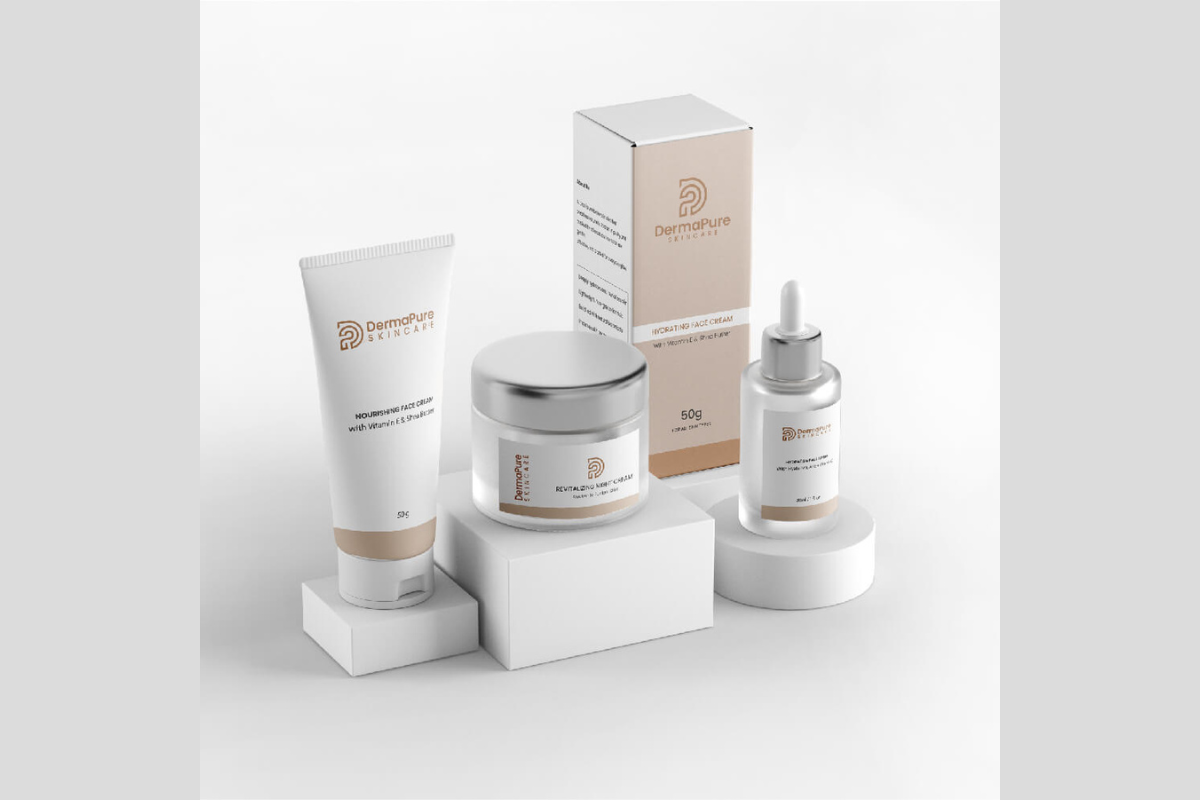
Packaging isn’t just an afterthought – it’s often the first handshake between your product and consumers. In fact, 72% of people admit that product packaging influences their buying decisions. So even before your product hits the shelf or cart, its wrap is talking. I still remember one gadget launch where the box was more memorable than the gadget itself – true story!
In today’s crowded market, a creative package can be the one detail that turns a browser into a buyer. As one industry source bluntly puts it: the “outside appearance of the packaging is the first and crucial factor” defining a new product’s success. In short, never underestimate the power of packaging as your silent, 24/7 brand ambassador.
Imagine you’re about to launch a new snack or tech gadget. Would you be more excited by a flimsy, generic box, or by an eye-catching package that builds anticipation? The latter screams quality.
Packaging is your product’s outfit and voice rolled into one – it protects the goods and says “this is who we are.” From the sharpness of the logo to the feel of the paper, every detail broadcasts your message. A glossy, minimalist box whispers luxury; a bright, playful design shouts fun.
According to Packaging-Labelling.com, a clean, neat design often “depicts luxury” while bold, flashy colors “appeal to the younger and more dynamic market”. In other words, your package’s vibe must align with your brand’s story or risk confusing customers.
Packaging functions as more than a box on the shelf. It must:
- Protect and Practicalize: Keep the product safe in transit and storage. A beautiful package that fails to protect is pointless.
- Grab Attention: Stand out visually. This may involve unique shapes, vibrant graphics or clever typography. (Think of how Apple’s sleek iPhone box signals premium before you even open it.)
- Communicate Brand & Values: Convey your identity at a glance – be it eco-friendly, luxury, innovative or fun. For example, a recycled-feeling kraft box suggests sustainability, while chrome highlights say “cutting-edge.”
- Guide the Experience: Be easy to open and informative. Nothing kills a first impression like a fight with clamshell plastic – or worse, a product damaged because of cheap packaging. All needed info (ingredients, instructions, QR codes) should be readable and helpful.
“A well-designed package is more than cost: it’s a marketing asset,” notes industry expert Heather Fogarty. Customers literally meet your product through its pack. A great box doesn’t just hold the item – it sells it, building trust and excitement before the first use.
Packaging design is your chance to wow. Many brands hire specialists to craft creative packaging design that makes their new product pop on shelves or feeds. A unique structure, unexpected texture, or stunning artwork can stop a scroller mid-swipe.
For instance, limited-edition sneaker boxes often become collectibles themselves, long after the shoes are gone. In practice, that means balancing headline-grabbing looks with clear communication – like logos and slogans that customers instantly recognize.
Consumer Psychology: The Power Behind Packaging
Packaging doesn’t just sit there; it psychs people out. Designers know this. Research shows even subtle cues on a package can change behavior. A recent marketing study found that highly saturated packaging colors (think bold reds or deep blues) make consumers believe a product is stronger, even when it’s not. For example, people given a generic pain relief tablet in a bright red box thought it was more potent and actually took less of it. In short, fierce colors can make you under-dose a medication just because it looks intense!
Similarly, matching colors and design can boost perceived quality. At Michigan State University, researchers used eye-tracking to show that consumers rate produce as higher quality if the packaging color matches the item. A red apple in a red-tinted container looked juicier than in a green or blue one. This tells us: color harmony grabs attention and builds an instant mental link. Use that wisely.
Trust and expectations: Quality feel matters. A flimsy package can make even a great product seem cheap. Packaging-Labelling.com warns that “a shoddy, low cost package may tell customers that the product is worth so little,” even if the item inside is awesome. By contrast, smooth finishes, sturdy boxes, and clever closures convey care. (Ever noticed how holding a premium brand’s pack feels nice? You instantly assume the product is high-end too.)
User experience: Convenience is king. Today’s shopper expects packages to be intuitive. Annoying features (impossible seals, no tear strips) are deal-breakers. Packaging-Labelling highlights that great packaging “must afford the requisite protection” and be easy to open – otherwise even the prettiest design will backfire. Think Leatherman multi-tools in frustration-proof wrappers or cereal boxes with perfect pour spouts.
Sustainability: The New Packaging Imperative
The green wave is no fad. Consumers are voting with their wallets. For example, Trivium Packaging’s global survey found 57% of people are “less likely” to buy a product if its packaging is harmful to the environment. Even more striking, 68% of shoppers had actively chosen a product in the past six months because of its sustainable credentials. And half of American consumers say they’d pay more for eco-friendly packaging. These aren’t niche numbers – younger audiences especially will abandon brands that ignore green design.
It’s simple math: use cardboard, biodegradable plastics, or recycled materials and you’ll win brand loyalty; use Styrofoam and people’ll tweet about how out-of-touch you are.
Packaging-Labelling even cautions that if a brand “promotes environmental conservation” yet ships in excessive plastic, the discrepancy “can cause a deviation in the market base formed by loyal consumers”. In other words, sustainability in packaging is now table stakes – a mismatch here can cancel all your other marketing. That said, eco-design can also be a selling point.
Refillable packaging, QR codes on packaging to explain recyclability, and clear labeling of materials are trending. (In fact, 74% of consumers expressed interest in refillable packaging options.) Recent industry trend reports emphasize “substantiated sustainability”: brands must back claims with science and transparent info.
The U.S. Federal Trade Commission’s Environmental Marketing guidance explains why brands should support eco claims with reliable evidence and avoid misleading consumers. So if you tout green on the box, be ready to prove it.
Avoiding Packaging Pitfalls
Even the best products can stumble on their packaging. Common mistakes include:
- Misaligned Design: Shoppers sense authenticity. Fancy words and serious branding mean little if the wrapper is flimsy or cheap-looking. Make sure the style matches the story.
- Overcomplication: More gimmicks aren’t always better. Novelty shapes or hidden compartments can wow, but they shouldn’t frustrate. Packaging-Labelling warns that lavish packs “can be off-putting if it…is complicated to open”.
- Information Overload: Too much text or tiny font? Instant exit. Keep labeling clear and concise; highlight the one thing each customer needs to know first.
- Cost Missteps: Underestimating cost leads to cut corners. A study recommends allocating roughly 10–40% of your product’s retail price to packaging. If it sounds high, remember, it’s also marketing money. DIYPack puts it bluntly: a strong package “builds brand credibility and can increase customer loyalty” – essentially paying you back.
Rigorous testing is key. Before launch, do focus groups or prototypes. Packaging-Labelling suggests physical tests and user feedback to catch issues early. This avoids that nightmare scenario – say, a box that crushes under a stack or graphics that faded on the shelf. Plan for real-world conditions (shippers stacking them, customers tossing them on counters, etc.). Get that feedback: even small tweaks now save a failed launch later.
Innovations and Trends in Packaging
Packaging is evolving fast. Recent analyses highlight trends that can give you an edge: digital-enhanced designs (think smart labels, QR codes, augmented reality tags) and personalization (custom graphics or limited editions) are on the rise.
These features turn a box into an experience – the consumer can scan it for content or feel they own a unique collector’s item. We’ve seen success with QR codes that unlock tutorials or loyalty discounts when customers register their purchase. Such tech keeps customers engaged after the unboxing.
Speaking of unboxing, the sensory experience matters too. Packaging that crinkles pleasingly, has a satisfying weight, or even a subtle scent can create buzz. (Ever unwrapped a new gadget to the smell of fresh pine or the snap of a magnetic closure? It sticks with you.) In short, don’t be afraid to surprise and delight.
But always test those innovations to ensure they work across regions and cultures – what charms one market might confuse another. The key is to innovate with a user in mind. Packaging that feels like a waste of time will get tossed, while packaging that feels intuitive and engaging can become a viral marketing asset.
Conclusion
In the end, packaging can make or mar your new product. It is the literal and figurative wrapper that delivers first impressions, brand messages, and values. Get it right, and you’ve earned trust before a single product is used. Get it wrong, and even a great product can falter under the weight of its own sleeve. As we’ve seen, elements like color, material, and information all sway shoppers – sometimes in unpredictable ways.
So treat packaging as a strategic teammate, not just a box. Invest in design early (ideally in tandem with product development), test thoroughly, and align with what your audience cares about (whether that’s luxury, fun, or sustainability). Remember, packaging is an investment that pays dividends in perceived value and loyalty.
Your product’s launch will be a journey in a box – so make sure that box tells the right story. If this article sparked ideas (or if you have a packaging pet peeve!), drop a comment below. And if you’re gearing up for a launch, consider teaming up with packaging pros for that extra pop. After all, the right creative packaging design might just be what turns your new product into a smash hit.
Frequently Asked Questions
Packaging is the customer’s first interaction with your product. It protects the item and sets expectations. A well-designed package can build excitement and trust instantly. Since most people judge a product in seconds, eye-catching, high-quality packaging can dramatically improve launch success by signaling value and attracting attention on crowded shelves.
Design elements like color, shape and materials send subconscious signals. Bright, saturated colors can make customers think a product is more powerful. Matching colors and clean graphics can make items seem higher quality. In general, neat, sturdy packaging leads consumers to assume the product inside is premium, whereas cheap-feeling packaging can make people doubt its quality.
Typical pitfalls include misaligned branding (e.g., eco-focused brands using wasteful plastic), overly complex opening mechanisms, and poor functionality. A package that’s hard to open or fails to protect the item can quickly sour the experience. Also, cluttering the design with too much text or confusing messages can lose buyers. Always test usability – even the prettiest box fails if it frustrates customers.
Absolutely. Innovative features like custom shapes, smart labels, or interactive elements can turn packaging into a selling point. For example, unique unboxing experiences can become shareable on social media, amplifying buzz. A memorable box can differentiate your product and even generate word-of-mouth, effectively becoming part of your marketing. As industry sources note, packaging innovation can significantly improve shelf impact and customer engagement.
.png)
Comments
Update Comment