

Brand Style Guide for Franchises: How to Keep Every Location On-Brand
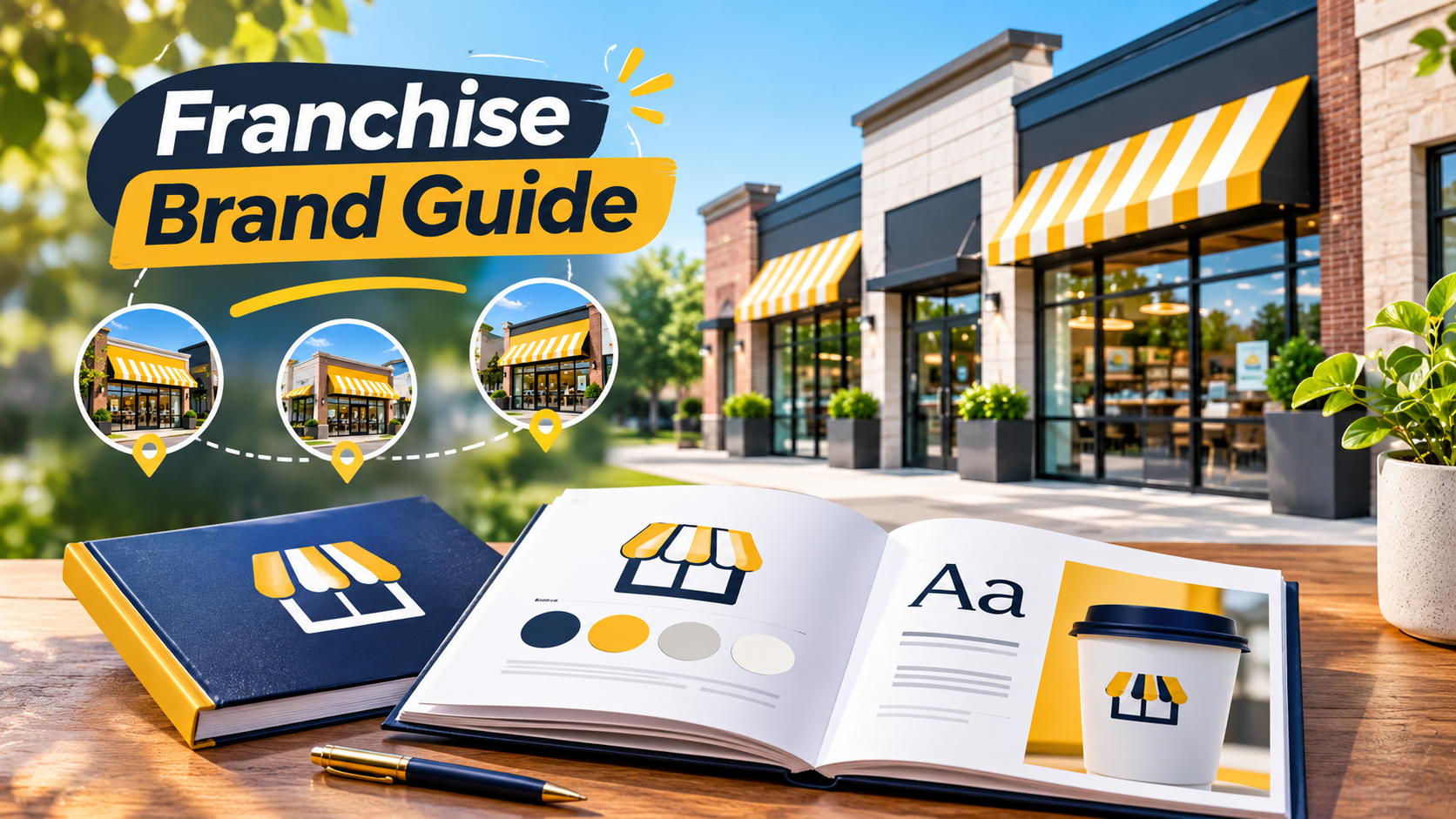
Imagine walking into your favorite coffee shop in Chicago and visiting another location of the same franchise in Austin a week later. You recognize the colors, the signage, the menu design, and even the friendly tone on the packaging. Everything feels familiar. That experience doesn't happen by accident. A well-developed brand style guide for franchises helps make it possible.
Managing a growing franchise comes with an interesting challenge. Every location needs its own personality while remaining part of a recognizable brand. Give franchise owners too much creative freedom, and things can quickly become inconsistent. Restrict them too much, and local marketing starts losing its relevance.
The good news? You don't have to choose between brand consistency and local creativity. A professional Brand Style Guide Solution gives franchise owners a clear framework for creating marketing materials, communicating with customers, and maintaining a consistent identity across different markets.
What Is a Brand Style Guide for Franchises?
A franchise brand style guide is a reference document that explains how every location should present the business visually and verbally. It covers everything from logo placement and typography to social media content, photography, packaging, and customer-facing communications.
Think of it as your brand's creative playbook. Instead of asking franchise owners to figure out what looks right, you give them practical instructions and examples they can follow. This approach makes everyday marketing decisions easier while protecting the identity you've worked hard to build.
Why Is Brand Consistency Important for Franchises?
Customers generally expect a familiar experience when they visit different locations of the same franchise. Inconsistent signage, unfamiliar colors, and conflicting promotional messages can create confusion. Maintaining a recognizable brand identity helps customers understand who they're buying from and what they can reasonably expect.
There's also a legal dimension to protecting your visual identity. According to the United States Patent and Trademark Office's trademark guidance, trademarks can identify the source of goods or services and provide legal protection for a brand. A brand style guide for franchises complements this protection by establishing clear rules for using approved logos, names, and other brand elements.
7 Essential Elements of a Brand Style Guide for Franchises
An effective style guide goes beyond displaying a collection of attractive logos and color swatches. It needs to answer the practical questions franchise owners encounter when designing advertisements, updating storefronts, or launching local campaigns.
1. Logo Usage and Placement
Your logo is often the first thing customers notice. Unfortunately, it's also one of the easiest brand assets to misuse. Stretching it to fit a banner, changing its colors, or adding decorative effects can weaken its visual identity.
Provide approved logo variations for light and dark backgrounds, minimum size requirements, spacing rules, and downloadable file formats. Include visual examples of incorrect usage so franchise owners know exactly what to avoid.
2. A Consistent Brand Color Palette
Color plays an important role in making your business recognizable. A deep navy storefront shouldn't suddenly become electric blue simply because a local designer thinks it looks more exciting.
Define your primary, secondary, and accent colors using HEX, RGB, CMYK, and Pantone references where appropriate. Explain which colors work best for digital platforms, printed materials, signage, and promotional campaigns. Include accessible color combinations for readable text.
3. Typography and Font Guidelines
Fonts communicate personality before customers even finish reading a sentence. A modern fitness franchise might favor bold typography, while a premium wellness business could benefit from softer, more refined lettering.
Your typography guidelines should identify approved fonts, heading sizes, body text styles, spacing, and suitable alternative fonts. These details help maintain a recognizable appearance across websites, brochures, menus, and digital advertisements.
4. Brand Voice and Messaging
Your franchise should sound familiar whether customers receive an email from a location in Seattle or read an Instagram caption from a store in Miami.
Establish a clear brand voice and provide examples of approved messaging. Explain whether your communication should feel playful, professional, energetic, or sophisticated. Include guidance for customer complaints, promotional offers, and online review responses.
5. Photography and Visual Direction
Photography can make a franchise feel polished and professional or surprisingly disconnected. If one location uses bright lifestyle photography while another relies on dark, heavily filtered images, the overall brand experience starts to feel fragmented.
Set clear expectations for lighting, composition, backgrounds, image editing, and product presentation. Give franchise owners access to an approved image library while allowing authentic local photography that follows your visual standards.
6. Storefront and Interior Branding
Physical locations bring your brand to life. Everything from exterior signage and reception areas to employee uniforms contributes to the customer's first impression.
Include practical specifications for signage, wall graphics, interior colors, window displays, packaging, and uniforms. Consider how these guidelines can accommodate different building sizes, landlord requirements, and local signage restrictions.
7. Marketing Templates and Digital Assets
A practical brand style guide for franchises should make creating marketing materials easier, not harder. Ready-to-use templates save local teams from designing every promotion from scratch.
Provide editable templates for social media graphics, flyers, business cards, email newsletters, menus, and digital advertisements. Lock essential design elements where possible while leaving designated spaces for local offers and contact information.
How to Balance Franchise Brand Consistency With Local Marketing
A franchise location in Manhattan serves a different community from one in suburban Dallas. Local events, customer preferences, and seasonal trends can influence what works in each market.
I like to think of franchise branding as a dress code rather than a uniform. Everyone follows the same fundamental standards, but there's still room for individual expression. Your brand style guide for franchises should clearly separate mandatory rules from flexible marketing opportunities.
|
Brand Element |
Keep Consistent |
Allow Local Flexibility |
|
Logo |
Approved design and proportions |
Placement within approved templates |
|
Color palette |
Official brand colors |
Approved accent combinations |
|
Typography |
Approved font families |
Text size within guidelines |
|
Social media |
Brand voice and visual identity |
Community events and local content |
|
Advertising |
Core brand messaging |
Location-specific promotions |
|
Photography |
Visual standards and image quality |
Local staff and customer experiences |
|
Storefront |
Brand identity and signage standards |
Layout based on available space |
This balance gives franchise owners enough freedom to connect with their communities without making each location look like an entirely different business.
Maintaining Franchise Branding Across Digital Channels
Customers often discover a franchise online before stepping through its front door. They might encounter an Instagram Reel, a Google Business Profile, a local landing page, or a paid advertisement.
Your brand style guide for franchises should cover these digital touchpoints just as carefully as physical signage. Establish consistent profile images, social media layouts, website design elements, promotional messaging, and image requirements.
Local teams should maintain accurate business hours, addresses, contact details, and location-specific information. Consistent branding combined with accurate local information creates a more reliable customer experience.
Make Your Brand Guidelines Easy to Access and Follow
Nobody wants to search through an old email thread for the correct logo five minutes before publishing a promotional campaign. Yet this is exactly what happens when businesses distribute brand assets without an organized system.
Create a centralized digital brand library where franchise owners can access current guidelines, templates, approved photography, and marketing resources. Assign someone to manage updates and remove outdated files.
A successful brand style guide for franchises also requires proper onboarding. Walk new franchise owners through the guidelines, explain the reasoning behind important rules, and establish an approval process for custom campaigns.
Common Franchise Branding Mistakes to Avoid
Even established franchises can struggle with maintaining a consistent identity. Small design decisions might seem harmless individually, but they can gradually create a noticeable difference between locations.
Watch out for these common mistakes:
- Allowing unauthorized logo modifications.
- Using outdated marketing materials and templates.
- Creating inconsistent social media designs.
- Providing unclear brand voice instructions.
- Ignoring local marketing requirements.
- Failing to train franchise owners on brand standards.
- Making the approval process unnecessarily complicated.
The goal isn't to micromanage every design decision. It's to create a system that makes following the brand guidelines easier than ignoring them.
How Often Should You Review Your Franchise Brand Style Guide?
Your brand style guide for franchises shouldn't become a forgotten PDF sitting in a shared folder. Businesses evolve, customer expectations shift, and new digital platforms introduce different design requirements.
Consider reviewing your guidelines every six to twelve months. Conduct periodic brand audits across physical locations, websites, social media accounts, and advertising materials. Pay attention to recurring inconsistencies because they may reveal gaps in your existing instructions.
Ask franchise owners for feedback, too. The people using your guidelines daily can often identify practical improvements that a corporate marketing team might overlook.
Conclusion
Building a successful franchise involves more than opening new locations. It requires creating a recognizable experience that customers can trust wherever they encounter your business. A thoughtfully developed brand style guide for franchises brings together visual consistency, clear communication, local flexibility, and practical marketing resources.
Whether you're preparing to open your second location or managing a nationwide franchise network, now is the perfect time to strengthen your brand standards. Invest in professionally designed franchise brand guidelines that help every location look, sound, and feel like part of the same business.
Contact us today to create a customized brand style guide that ensures consistency, supports local marketing, and keeps your franchise on-brand as it grows.
Frequently Asked Questions (FAQs)
1. What should a franchise brand style guide include?
It should include logo usage, color palettes, typography, brand voice, photography standards, signage specifications, digital branding requirements, and marketing templates. It should also explain which elements franchise owners can customize.
2. Why do franchises need consistent branding?
Consistent branding improves brand recognition, supports customer confidence, and reduces confusion across locations. It also helps franchise owners create marketing materials that reflect the business's established identity.
3. Can franchise owners customize their marketing materials?
Yes, provided they follow the franchisor's brand guidelines and approval requirements. Local offers, community events, store photography, and regional messaging can often be customized without changing essential brand elements.
4. What is the difference between a brand style guide and a franchise operations manual?
A brand style guide focuses on visual identity, messaging, and marketing standards. A franchise operations manual covers broader business procedures, including employee training, service delivery, operational requirements, and quality control.
5. How do you maintain brand consistency across multiple franchise locations?
Provide centralized brand assets, approved marketing templates, regular training, clear approval procedures, and periodic brand audits. These practices help franchise owners maintain consistency while managing their individual locations.

.png)
.png)
Comments
Update Comment