

Why Flyer Design Still Works for Local Marketing in 2026
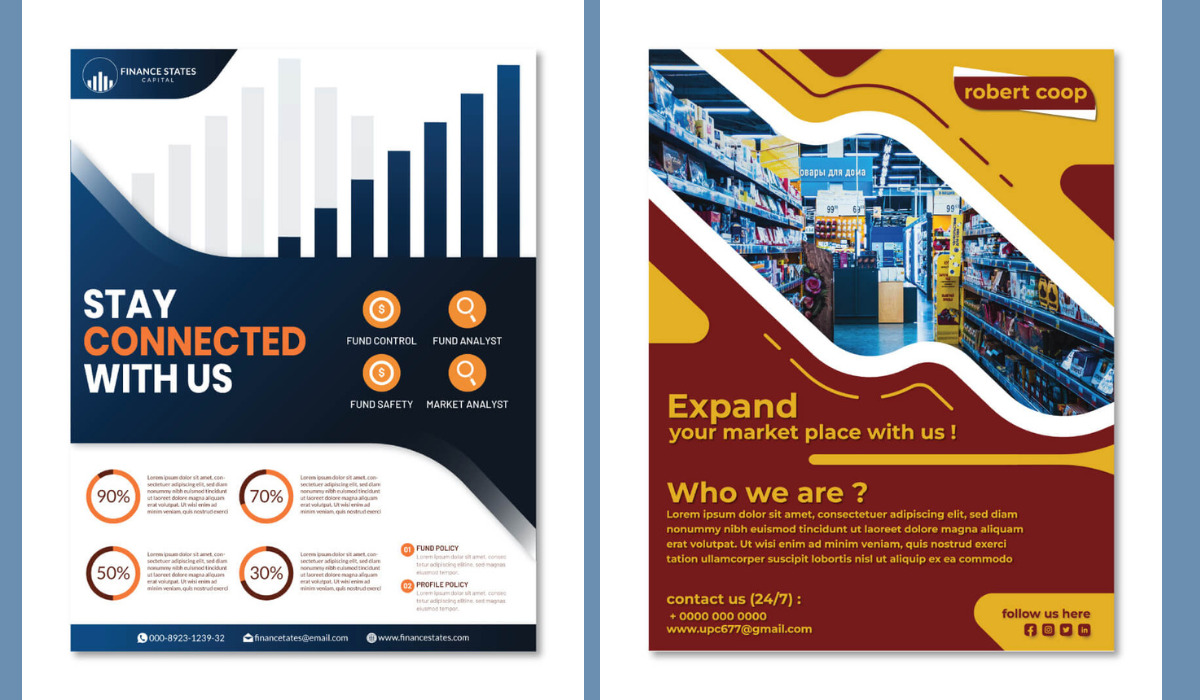
Imagine scrolling through social media on your phone: endless sponsored posts, flashy banners, chatty chatbots – information overload. In this digital jungle, a bold, glossy flyer landing in your hand can feel like a breath of fresh air. Young business owners know this: despite AI assistants and augmented reality, people still crave something real and tangible.
In fact, USPS research shows that while a flashy online ad might grab quick attention, physical ads (like flyers) spark stronger emotional responses and deeper recall. A richly printed flyer is not something you swipe past – it’s something you hold, pin up, and remember.
In our fast-scrolling world, print ads are breathing space. Studies find that print media takes 21% less mental effort to process than digital media. Translation: when your neighbor glances at your flyer, they get it instantly, without the scroll-induced brain fatigue. Most people skim Instagram ads without thinking, but when they stop to smell the ink (literally), they absorb your message.
A recent survey found 89% of people remember receiving a flyer, and nearly half keep it for future reference. Compare that to a banner ad – gone in a second, easily forgotten. By playing to our human love of touch and texture, flyers create a “haptic memory” that sticks.
Local Targeting: Precision Marketing on Every Porch
In 2026’s hyper-local economy, flyers let you speak directly to your neighborhood. For a pizza shop, gym, or boutique on Main Street, a flyer drop targets just the right people – neighbors and passersby – without wasting dollars on clicks from across the country.
Digital ads often grab eyeballs far and wide (and our budgets), but many of those clicks come from folks three towns over with zero interest in your cafe. Flyers sidestep that by geofencing on paper. You hand-deliver your message straight into living rooms and hand out coupons at community events.
And hey, even on a tight budget, you can make it look pro: there are plenty of Affordable Flyer Design Services that deliver eye-catching, on-brand flyers without breaking the bank. By searching for Affordable Flyer Design Services, small businesses can hire a designer to craft a slick flyer that resonates with locals.
The right template, colors, and fonts will catch eyes at the door – and on fridge doors. Whether you’re targeting college students or retirees, a high-quality flyer in their hands says “We’re right here and ready to serve you.”
Bridging Print and Digital: The “Phygital” Revolution
Flyers aren’t trying to beat the internet – they’re teaming up with it. This year’s flyers are proudly “phygital,” blending the best of both worlds. Think of a printed flyer with a shiny QR code or NFC tag. A curious customer scans it and zap them on your special landing page, coupon, or online shop instantly. In other words, your flyer puts a finger on the pulse of 2026 tech.
This synergy also means measurable impact. You can track how many people scanned that flyer QR code versus just yawned and tossed it. In fact, marketing platforms report that integrating digital links makes a flyer campaign trackable like an online ad. Want to know which neighborhood drove the most traffic? Which message got more taps? The data is there.
Meanwhile, the tactile trust of print adds weight: readers are more likely to feel and follow through when they’ve physically interacted with your brand. It’s the best of both: the low-tech appeal of ink-on-paper plus the precision of digital metrics.
.jpg)
Design Trends for Modern Flyers
When it comes to 2026 aesthetics, flyer design is all about clarity and consistency. Forget cluttered layouts and 10 different fonts – the trend is streamlined communication.
The U.S. The Small Business Administration even notes that well-organized marketing materials help businesses “stand out in crowded markets”. On a flyer, this means a strong visual hierarchy: big headlines, sensible spacing, and smart use of color guides the reader’s eye from the offer down to the fine print.
- Clear Hierarchy: Use bold headers and ample margins so someone at arm’s length can scan key info instantly.
- Simplicity: Limit your colors and graphic elements. A few vivid hues and plenty of white space keep the flyer readable, not riddle-like.
- Consistent Branding: Match the flyer’s style to your logo, website, and social posts. Repetition of colors and fonts builds instant recognition.
- Functional Layout: Bullet points, icons, or mini-section breaks ensure your message flows logically. Remember, “organized communication” wins over decoration.
In practice, that means thinking like an editor. Before anything else, plan your content structure: what’s the top offer? Where’s your logo? How do you lead the reader to act (visit, call, scan)? Once the hierarchy is set, the visual style falls into place.
As one design guide puts it, designers “start with content structure before layout,” ensuring you keep readability ahead of artistic flourishes. Common rookie mistakes to avoid include overcrowding the page, mismatching fonts, or adding too many wiggly lines and clip art. A polished flyer feels balanced – your eye never has to jump in odd directions.
|
Format |
Communication Strength |
Design Focus |
|---|---|---|
|
Print Flyers |
Reaches local customers directly |
Legibility from a distance (bold text, contrast) |
|
Digital Flyers |
Quick online sharing & updates |
Screen-friendly layout (clarity on small screens) |
|
Hybrid Campaigns |
Unified offline + online presence |
Flexible design (adaptable templates, QR codes) |
Table: Print vs. digital flyer approaches and their design priorities.
Modern flyer campaigns often mix all three: hand out paper leaflets door-to-door and share the same design on social media or via email. The visual consistency between print and digital materials multiplies your impact – a busy person might ignore an email but keep your colorful printout on the fridge.
Case Studies: Flyers in Action
Local businesses and events around the world have found that a creative flyer still drives results. For example, neighborhood cafés and restaurants rely on flyers to announce new menus or happy hours. Tourists at a vacation spot often grab a rack flyer to find the best local taco truck or museum.
Small contractors like plumbers or landscapers drop well-designed flyers in nearby streets; a slick, professional look on a flyer says “I do quality work,” making homeowners more likely to call when the sink leaks.
Even large festivals and markets produce eye-catching posters and handbills; attendees might stick a festival date on their fridge and bring friends along. In each case, the scent of the local community is as important as ink and paper.
Here’s a real-world lesson: adding a coupon or QR-linked offer can skyrocket engagement. Industry data show that 33% of people keep a flyer if it has a coupon or discount, and those with promo codes are 50% more likely to hold onto them. One global brand ran a BOGO coupon on a flyer campaign and saw over 550 new in-store visits. The takeaway? Flyers shine when there’s clear value.
When you do it right – clear messaging, targeted reach, and maybe a special deal – the results speak for themselves. In fact, nearly 9 in 10 businesses report that distributing flyers boosted their sales.
Think of flyers as the campaign you can see performing every day: each one on a mailbox or community board is a mini-billboard for your brand. And because flyers are tangible, they tend to play well with word-of-mouth. Someone might pass a flyer to a neighbor or co-worker, indirectly expanding your audience for free.
Conclusion
Flyer design in 2026 is a classic tool with a modern twist. It works because it cuts through the swipe-happy clutter and speaks to people on a human level. By focusing on clear, organized design and combining print with digital (that clever QR code!), flyers become a powerful local marketing weapon. They target the right neighborhoods, deliver messages that stick, and complement your online efforts.
So the next time you plan a promo, remember: a well-crafted flyer can be your secret advantage. It’s not old-school – it’s smart, tactile, and proven. Give your community something real to hold on to. Your brand will thank you when those footsteps head through your door.
Ready to give flyers a try? Whether you hire a pro or DIY with our tips, start designing a flyer that turns heads in your own backyard. The house next door is waiting – literally – to hear from you.
Frequently Asked Questions
Flyers offer unique advantages. People gloss over digital ads (62% of viewers mute TV ads, 81% skip print ads), but they tend to hold on to or share flyers. A tangible flyer doesn’t vanish when someone scrolls; it can sit on a kitchen counter and keep your brand top-of-mind for days. This physical presence often drives higher recall and response rates than a fleeting banner. Plus, flyers reach offline audiences who might ignore Facebook ads or use ad-blockers.
Focus on clarity and design quality. Use a bold headline, a clean layout, and your brand’s colors. Avoid clutter: stick to 1-2 images or icons and let plenty of white space frame your text. Always include one strong call-to-action (like a QR code or coupon) so readers know exactly what to do next. If design isn’t your strength, consider hiring an Affordable Flyer Design Services pro. They’ll ensure your flyer looks polished and gets attention.
Yes. Compared to the recurring costs of online ads, flyer printing is a one-time expense. Door-to-door campaigns or community boards put your message right in front of local customers with minimal ongoing fees. Many businesses find flyers have a high ROI: studies report that 88% of companies see increased sales after a flyer campaign. Buying in bulk and targeting distribution wisely (e.g. busy streets or local events) makes each flyer very affordable.
Absolutely. Tech lovers still appreciate a well-crafted piece of paper. In fact, younger audiences often find flyers refreshingly “real” in a hyper-digital world. Plus, integrate tech into your flyer – like an AR code for a video demo or a link to an app – and you get the best of both worlds. Even in 2026, a flyer can still be very popular.
It depends on your distribution and offer. Many companies report immediate upticks: around 48% of flyer recipients take action (visiting a store, website, or making a purchase) after receiving one. To maximize response, give them a clear reason (limited-time discount, grand opening invite, etc.) and measure the response (unique code or QR landing page). In general, you’ll start noticing more foot traffic or calls as soon as your flyers land in mailboxes. Just remember to track which batch (area or design) works best for next time.
.png)
.png)
.png)
Comments
Update Comment