

Product Packaging Design: Cost, Timeline & What to Expect
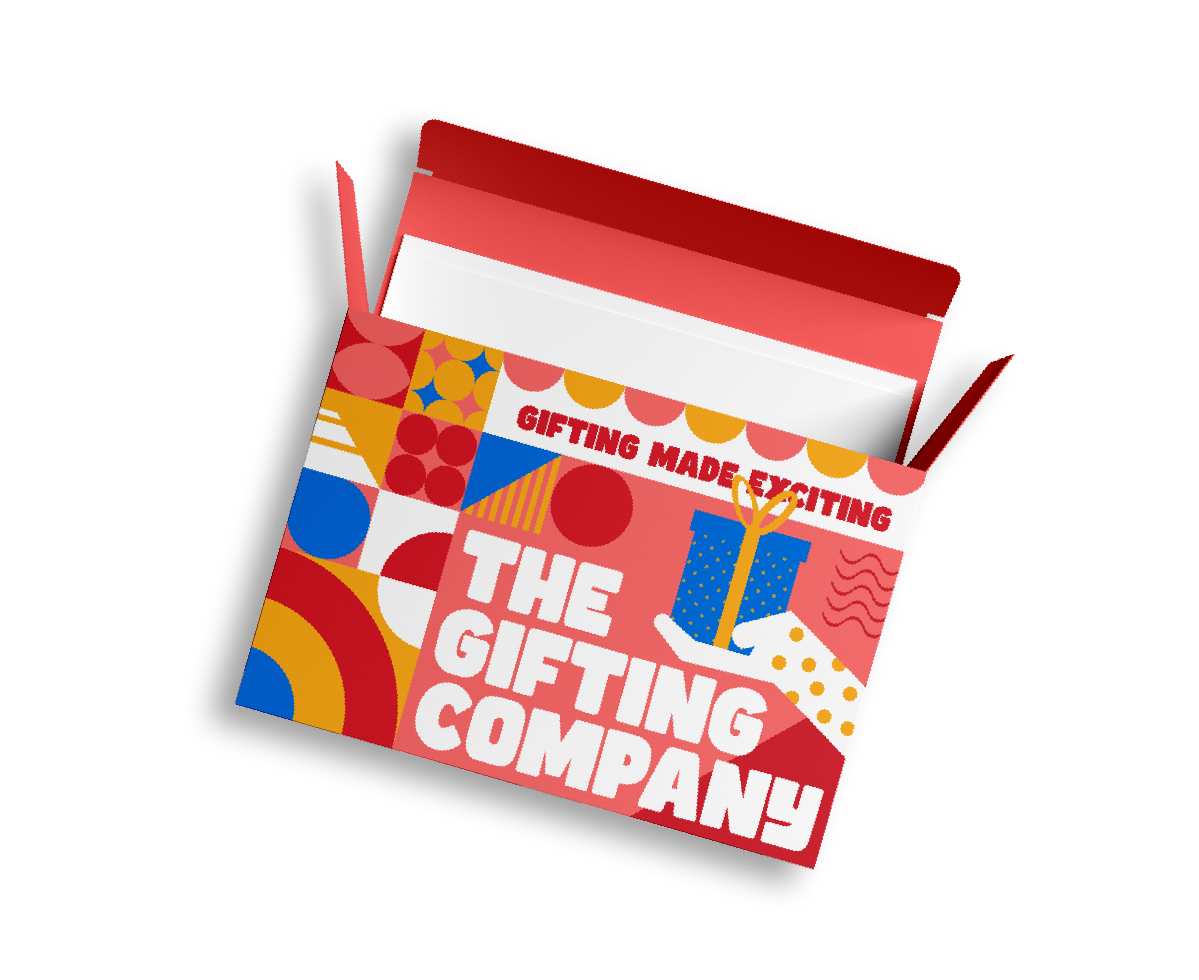
In the U.S., product packaging design isn’t just an afterthought – it’s everything. Think back to the last time you watched an unboxing video or admired sleek Apple packaging on a store shelf. That first glimpse of your product’s “outfit” can make or break a sale.
In fact, studies show that 72% of Americans believe packaging design influences their buying decisions. In this guide, we’ll unpack why packaging design matters, how much it can cost, how long it takes, and what you should expect when partnering with a design team.
Packaging design is the blend of art and engineering behind your product’s container. It’s choosing the right box, bottle, or label to both protect the product and tell your brand’s story. A well-crafted package can convey luxury or eco-friendliness, grab attention on crowded shelves or social media, and even build trust by signaling quality. In other words, it’s like the tuxedo your product wears to the big ball – get it right, and customers stay; get it wrong, and they scroll on.
Why Packaging Design Matters
Long before a customer tries your product, they judge it by its packaging. Good design sets the stage for the brand experience. It catches the eye, sparks curiosity, and communicates value. By investing in professional packaging design, you can create that crucial positive first impression.
For example, custom, branded packaging signals that you care about every detail – and consumers notice. Studies highlight that attractive, cohesive packaging not only grabs attention but also implies higher quality.
As an expert, I always tell clients: your packaging is your product’s first handshake with the customer. That’s why you don’t want it to be limp. Partnering with a specialist ensures that handshake is firm and memorable. In practice, this means working with a dedicated product packaging design company that lives and breathes packaging.
Such a partner brings the right materials knowledge, design skills, and project management so you don’t end up with a design that looks good on screen but falls apart in transit. A pro design team will treat packaging as part of your brand strategy, not just a production afterthought.
Cost of Product Packaging Design
Now, let’s talk dollars. How much does product packaging design cost? The honest answer: it varies widely. In general, small projects (like a simple label or single-variant box) might cost a few hundred to a few thousand dollars, whereas large, multi-SKU, high-end projects can easily climb into the tens of thousands or more. For perspective, a recent report notes typical packaging design budgets range from about $500 to over $20,000 depending on scope.
For clarity, here’s a breakdown of typical cost tiers:
|
Scope of Design |
Cost Range (USD) |
Typical Description |
|---|---|---|
|
Basic/Standard |
$500 – $2,500 |
Simple functional designs, minimal graphics (e.g. basic dieline and logo placement). |
|
Customized/Brand-Focused |
$3,000 – $7,000 |
Tailored visuals with unique shapes or illustrations, aligning closely with your brand identity. |
|
Luxury/High-End |
$8,000 – $20,000+ |
Premium packaging with high-quality materials, embossing, or elaborate graphics for a “wow” unboxing experience. |
(Table: Typical packaging design costs by project scope.)
Several factors influence where you land in that range: the complexity of the design (a custom structural box vs. a flat label), the materials (eco-friendly recycled paper vs. specialty plastic), and the designer you hire. For example, an agency’s hourly rates often hover around $100–$150/hour in the U.S., whereas freelancers may charge much less.
Zenpack’s industry guide even points out that in America, budgets span from a few hundred dollars for entry-level designs up to six or seven figures for large-scale product programs. In short, you can get some design help on a shoestring budget, but truly impactful, high-end packaging will require a proportionate investment.
To save costs, plan carefully up front. Finalize your branding, label copy, and product photos before starting so you minimize revisions. Also consider material choices: a standard folding carton might cost a couple of dollars per unit, whereas rigid boxes or specialty finishes can cost $8–$10 per unit or more.
Be clear with your designer about budget and priorities. Sometimes a clever structural design or a single embellishment (like foil stamping) can add ‘luxury’ without breaking the bank.
Packaging Design Timeline
How long does a packaging design project take? Typically, you’re looking at weeks to a few months, not days. A straightforward project (one SKU, one design round) often wraps up in about 4–8 weeks. That includes initial research, concept sketches, revisions, and delivering print-ready artwork. For instance, one studio notes a “typical packaging design project can take anywhere from 4–8 weeks from start to finish”.
However, expect longer if your project is complex. If you have multiple SKUs, strict compliance requirements, or you’re rolling out a major product launch (with marketing materials, samples, etc.), plan on 2 to 4+ months. A crowd-sourced industry report suggests comprehensive launch projects can span 8–16 weeks.
Key factors that add time include: iterating on designs with stakeholder feedback, building and testing prototypes, and waiting on manufacturers (for die-line approvals or printing samples). Always pad your timeline for these steps. Rushing design can lead to costly delays or mistakes. As one expert quips, “Don’t rush the process – sit down with your team to clarify ideas before hiring a design team”.
Working with a Packaging Design Company
When you hire a packaging design partner, here’s what typically happens: first, you’ll fill out a design brief describing your product, audience, and goals. The design team will research the market and consumer, then present a few concepts that match your brand story. You provide feedback, and the agency refines the chosen concept through rounds of revisions until it’s perfect. Finally, you get print-ready files (dielines, color specs, layouts) and often a prototype or mockup.
Your design agency should guide you through this process smoothly. They may even coordinate with printers or vendors on your behalf. For example, some agencies (like Kraftier Studio) offer to source packaging materials and connect you with trusted manufacturers. You can expect clear communication and a timeline for each milestone.
In practice, a good design partner keeps the project on track: they manage deadlines, budgets, and technical specs so you don’t have to juggle it all. A leading packaging firm emphasizes that reliable partners “keep projects on track for success by staying within budget and meeting deadlines”.
Above all, expect professionalism. A top-notch packaging design company brings expertise in branding and production. They should ask about regulatory needs (like FDA food labels), shipping constraints, and even sustainability goals.
They’ll advise on practicalities (e.g. “This box design won’t survive your drop tests, so let’s adjust the structure”) and build those considerations into the timeline. In short, you should walk away with more than pretty artwork – you should get a final design that’s ready to sell and ship.
Trends in Packaging Design
What’s hot in product packaging design? In recent years, two major trends have dominated the scene: sustainability and shareability. Consumers today expect eco-friendly materials and carbon-conscious processes. Agencies note that sustainability is “no longer optional — it’s a market expectation”.
In fact, 71% of shoppers say they’re more likely to buy from brands using paper or cardboard packaging. That means brands are swapping plastic for recyclable cartons, adding recycled content to labels, and experimenting with refillable or zero-waste designs.
The other trend is the social-media-fueled “unboxing” experience. You’ve seen it: influencers tearing open packages on video. These moments create free buzz, so designers are engineering surprises into packaging.
For example, you might include a hidden message under the lid or use special tear strips that make an ahh! effect. The popularity of this is real: Packaging Dive reports that YouTube unboxing video uploads surged 50% in just one year. Smart brands now design for the camera, ensuring that the moment of opening is memorable.
Both trends sometimes converge: think an elegant glass bottle in a sleek recycled-paper box. The aim is to delight eco-conscious consumers while also giving them something photo-worthy. If you browse subscription-box hashtags on Instagram, you’ll see how matte black minimalist boxes are as much a statement as shiny holographic labels.
Whichever style suits your brand, keep it authentic. Consistent color palettes, typography, and tone will reinforce identity and make your packaging instantly recognizable.
Conclusion
Product packaging design is a powerful investment in your brand’s future. By balancing cost and creativity, and by allowing enough time for a thoughtful process, you can create packaging that pops off the shelf or screen.
Remember: good packaging pays off in customer loyalty and perceived value. As we’ve seen, effective packaging combines brand storytelling with practical needs – from durability to delight.
If you’re preparing to launch or refresh a product, start planning your packaging early. Gather your team, set a realistic budget, and partner with experienced designers. They’ll help you navigate costs (for materials, artwork, and printing) and timelines (including printing lead times).
Above all, aim to create a package that makes your customers say “wow” at first sight. Ready to get started? Your product deserves the very best presentation – and that can be the difference between a one-time sale and a lifetime fan.
Frequently Asked Questions
The range is broad. Simple projects (like a single basic label or box) can cost a few hundred dollars, while more complex campaigns (multiple SKUs, luxury materials, custom structures) can run into the tens of thousands. Factors like design complexity, materials, and number of revisions drive the price.
Typically several weeks. A lean project might finish in 4–8 weeks, including concept, revisions, and final files. If you have multiple products or need marketing collateral, plan on 8–16 weeks or more. Always add extra time for approvals and printing.
They handle everything from strategy to execution. Expect steps like: gathering requirements, market research, concept sketches, design iterations, and delivering print-ready dielines. Many will also assist with vendor selection or coordinating proofs. In short, they take your branding and product details and turn them into packaging art that’s also functional.
Clarity and simplicity are key. Finalize your product info (logo, fonts, photos) before design starts to minimize back-and-forth. Opt for standard box sizes or materials when possible (custom shapes and exotic finishes cost more). Also, limit excessive iterations – be decisive in feedback. Sometimes using a DIY template or semi-custom design can cut costs for very small runs.
Great packaging reflects your brand and serves the customer. It should have a clear identity (consistent colors, logo, messaging) and be easy to use (consider opening, resealing, instructions). It must protect the product during shipping – robust enough to prevent damage. Finally, it should provide a bit of delight: maybe an artful graphic, a witty tagline, or that special unboxing moment. In sum: clarity, quality, and a memorable experience.
Check their experience and process. Have they designed for your industry (food, cosmetics, tech, etc.)? Review their portfolio for creative diversity and quality. Ask about their workflow: a good agency has structured phases (research, concept, prototyping, etc.) and keeps you in the loop. Make sure they understand manufacturing constraints (dielines, materials, compliance). Lastly, see if they value sustainability and innovation – those are the marks of forward-thinking designers in 2026.
.png)

Comments
Update Comment