

What Is Packaging Design? Complete Guide for Small Businesses
.jpg)
Imagine, you’re an excited customer; your online order arrives and you slice open the box. Suddenly, colors, textures and branding leap out – it feels like unwrapping a gift. That wow moment is the magic of packaging design. In today’s American market – think of all those unboxing videos on TikTok or the thrill of opening an Apple product – packaging is your brand’s first handshake. It’s literally the first thing people see, smell, or touch about your product. For a small business, a creative package can turn a simple purchase into a memorable experience.
Packaging design is the art (and science) of crafting a product’s “outfit.” It’s more than just a box or label – it’s choosing the right materials, colors, fonts, graphics and even sounds (think the crisp tear of tape) so your product stands out. Good packaging engages the senses – sight, touch, maybe even a scent – and tells a story about your brand. A clean, intentional design can even make an ordinary item feel premium.
At its core, packaging design involves everything from structural decisions (a sturdy cardboard box vs. a sleek aluminum case) to visual branding (your logo, images, and taglines). You’ll consider the product’s shape and fragility, legal labeling (ingredients, barcodes or warning labels), and the desired unboxing experience. For example, the FDA has strict rules on labeling food and cosmetics, so your design must include required info like ingredients or nutrition facts. If this feels overwhelming, don’t panic – you can hire a professional packaging design service provider to bring expertise to your project. (Many small businesses do this once to get started, ensuring their package design really pops without the DIY headaches.)
Packaging isn’t just pretty - it’s powerful. Think of your package as a mini-billboard that travels beyond your store or warehouse. Surveys show packaging makes a big difference: in fact, a study found packaging influences the purchase decisions of about 72% of American consumers. In other words, your design can make or break a sale.
A well-crafted package immediately tells a story – showcasing your brand values, quality, and personality and builds instant trust. If a box looks sharp and professional, people are more likely to believe the product inside is high-quality. This is gold for small businesses: with limited marketing budgets, packaging is one of the few opportunities you have to wow new customers and encourage them to buy (and come back).
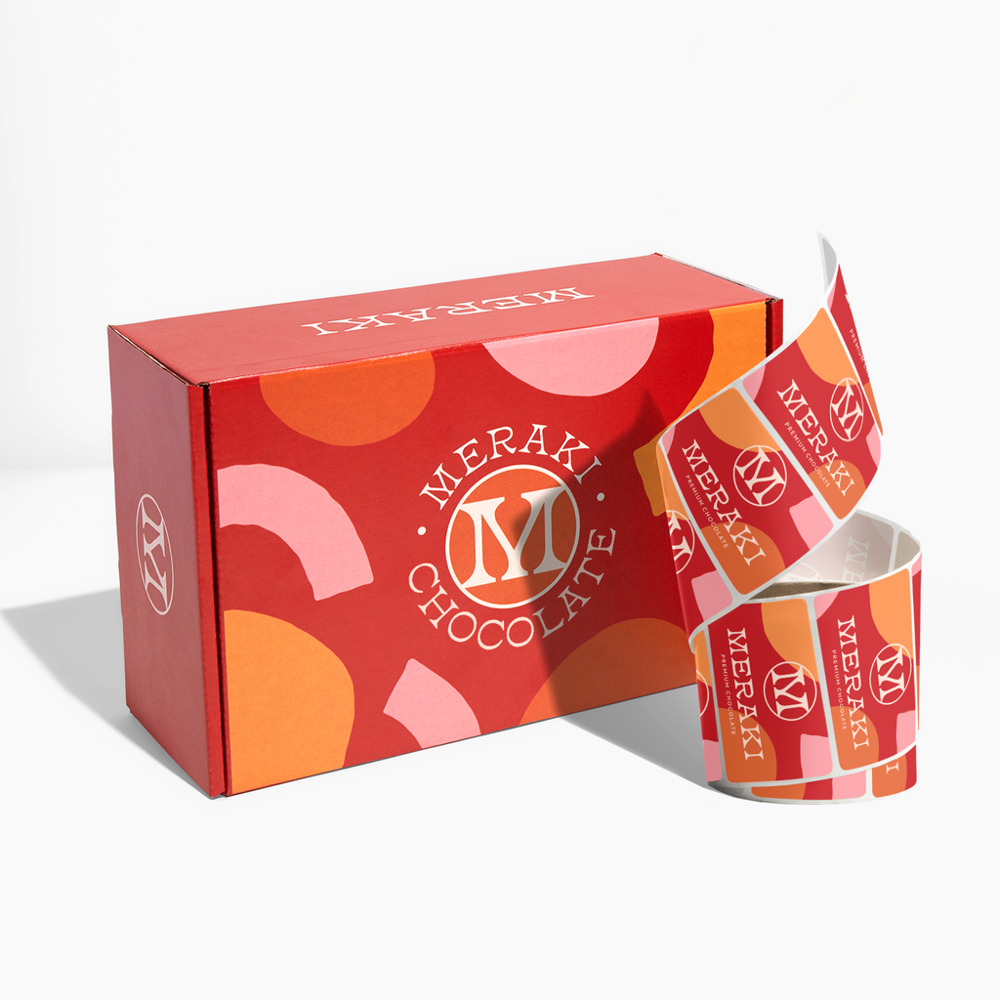
Key Elements of Effective Packaging Design
No magic formula, but great packaging tends to hit these notes. According to design experts, it should:
- Protect the Product: A package must keep your item safe in transit. The material and structure need to match what’s inside (fragile glass needs cushioning, fine fabric needs breathability, etc.).
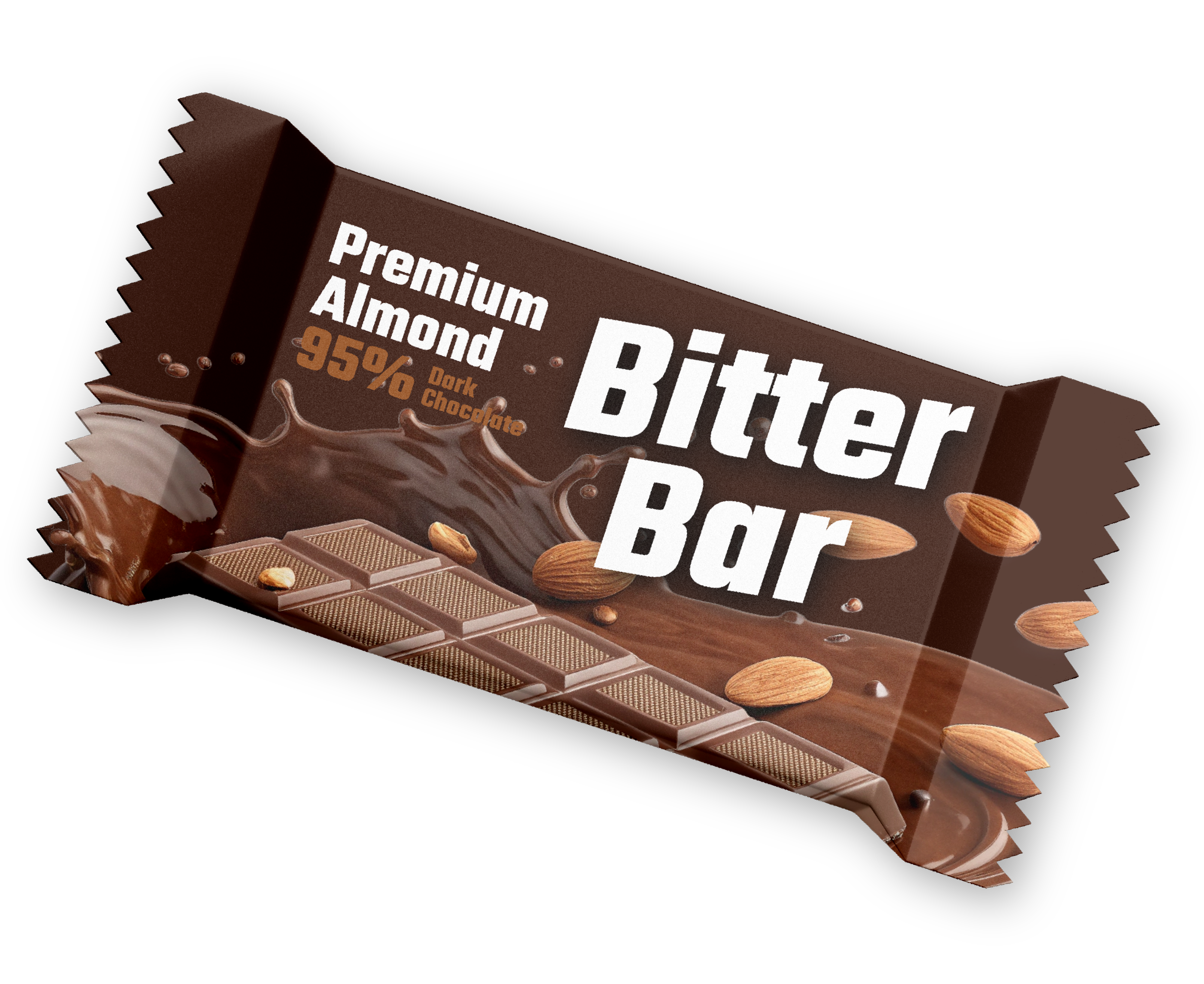
- Be Eye-Catching: Use bold or appealing graphics, colors and textures that stand out on a shelf or in an Instagram post. High contrast or a unique shape can grab attention in a split second.
- Reflect Your Brand: Logo placement and color scheme should clearly echo your brand identity. Whether your style is sleek and modern or fun and funky, the packaging vibe must match your product’s personality.
- Communicate Clearly: Include all essential information in a readable way – like product name, usage instructions, and legally required labels. Clear typography and concise messaging keep customers informed (and impressed by your professionalism).
- Enhance the Experience: Consider “unboxing moments” and ease of use. Maybe include a thank-you note inside, or design easy-open tabs and resealable seals. Small touches (e.g. tissue paper, custom stickers) can create delight and encourage social shares.
- Tell a Story: Good packaging often tells a bit of the brand’s story or values. Think eco-friendly labels for a green brand, or vintage illustrations for a heritage product – these details resonate with customers on a deeper level.
Putting it together, great packaging design protects the product, looks stylish and eye-catching, matches the brand identity, shares clear product details, and is easy to use. In short, it should delight the customer and do its job at the same time.
Steps to Create Your Packaging
There’s no single path, but most experts recommend a systematic approach. For example, Shopify outlines a 6-step process for design:
- Define Your Product and Customer: List your product’s specs (size, weight, fragility) and learn who’s buying it. A candle sold online needs different packaging than one on a boutique shelf.
- Research the Competition: Visit stores or browse sites to see how similar products are packaged. Take note of what works and what doesn’t.
- Identify Requirements: Decide on materials (cardboard, glass, etc.) that will protect your product and fit your brand. Check regulations – e.g. food, drink and cosmetics often have FDA labeling rules that you must follow.
- Create Concepts: Sketch designs or use software (like Adobe Illustrator) to visualize your box/label. Experiment with layouts, colors, and dielines (cut-and-fold templates) to find something eye-catching.
- Pre-Press & Prototype: Finalize the design files (colors, bleeds, dielines) and print a physical sample. Test for durability and visual appeal. Adjust as needed.
- Test the Package: Share the prototype with friends or focus groups. Does it open easily? Do people “get” the branding? Feedback can catch issues (like confusing copy or a logo in the wrong spot) before mass production.
For technical guidance on packaging measurement and labeling standards, refer to the official guidelines from the National Institute of Standards and Technology (NIST).
Packaging Materials and Sustainability
Choosing the right material is crucial for both function and image. Common options include cardboard/paperboard, plastic, glass, metal, or compostable materials. Each has trade-offs:
|
Material |
Pros |
Cons |
Best For / Notes |
|
Cardboard/Paper |
Recyclable, lightweight, cost-effective |
Less water-resistant, can tear |
Shipping boxes, retail cartons |
|
Plastic (e.g. PET) |
Durable, very lightweight, cheap |
Not eco-friendly, can look cheap |
Clear pouches, durable cases (not for eco brands) |
|
Glass |
Premium look, fully recyclable |
Heavy, breakable, high shipping cost |
Perfume bottles, premium foods/beverages |
|
Metal (Tin/Alu.) |
Strong, high-end feel, recyclable |
Heavy, expensive, energy-intensive to produce |
Specialty containers (candles, cosmetics) |
|
Biodegradable (e.g. cornstarch) |
Compostable, eco-friendly image |
Limited availability, costlier |
Sustainable brands, one-time-use items |
Plastic is extremely durable and lightweight, which helps reduce shipping costs, but consumers are wary – nearly 58% avoid overly-packaged products nowadays. Recycling paper materials is a safe bet for an eco-conscious image; almost one-third of Americans actively recycle cardboard and paper packaging. The material you pick sends a strong message. For a green-friendly brand, investing in recyclable or compostable packaging (like kraft paper or biodegradable wraps) not only appeals to shoppers but can become a selling point of its own.
Consider your budget and order volume, too. Buying boxes or bottles in bulk usually cuts per-unit cost. (One packaging blog notes that under 1,000 units often incurs huge setup fees, so bundling orders can save money.) Always balance cost with customer experience: paying a little more for nicer packaging can allow you to charge a higher price overall.
Packaging Design Trends for 2025 (and Beyond)
The world of packaging design never stands still. Today’s savvy U.S. shoppers love packaging that is sustainable, simple, and smart:
- Eco-Friendly & Minimalist: Clean, minimalist packaging is in vogue – it looks sleek and signals environmental care. Brands are using monochromatic or neutral color schemes and minimal text. Think Kraft paper with a single-color logo, or stark white boxes with embossed logos. This aesthetic is synonymous with sophistication and eco-friendliness.
- Personalization: Shoppers love feeling special. Customized touches — like printing a customer’s name, using a handwritten thank-you, or tailoring graphics to an occasion — create memorable unboxings. Packaging experts note that personalized packaging creates memorable customer experiences. Even simple personalization (a special label or pattern variation) can make a big impact.
- Smart Packaging: Technology is seeping in. QR codes, NFC tags or AR features on packaging are trending. For example, scanning a code might reveal a thank-you video or verify authenticity. These “smart” features add value and build engagement – perfect for brands targeting tech-savvy or novelty-seeking audiences.
- Convenience & Functionality: Design isn’t just about looks. Resealable bags, ergonomic handles, pop-up displays and easy-open features are hot. If a package makes life easier, customers notice. Practical details like tear strips or built-in spouts keep customers happy and encourage reuse.
- Regulatory & Ethical: Don’t forget legal trends. New U.S. laws push for more sustainable packaging and clear labeling. Some states now require recycled-content labels. Small businesses should watch regulations around recyclability claims and consider certifications (like FSC for paper). Aligning with these guidelines is smart – it shows customers you care and keeps you compliant.
Example: Minimalist & Green Packaging
Picture, a matte white box with a single green logo, no extra frills, made of recycled paper. That’s the minimalist/sustainable trend in action. Apple and big brands have been doing minimal for years, and small brands are following suit to signal both style and substance.
In short, staying on-trend means thinking like your customer. Are they eco-conscious? Do they crave novelty? Packaging that ticks those boxes will help your brand resonate.
Conclusion and Next Steps
For a small business, packaging design is a silent salesman. It can build your brand’s image, protect your product, and even increase sales – all from one well-crafted box or bottle. As we’ve seen, effective packaging melds aesthetics with practicality, tells your brand’s story, and meets customer needs. Whether you do it yourself or work with designers, remember: first impressions count. Invest time in your packaging, and it will pay back in customer loyalty and word-of-mouth buzz.
Ready to level up your product’s look? Start by sketching some ideas or mood boards, review the tips above, and don’t be afraid to experiment. If you feel out of your depth, consulting a professional designer can guide you to a polished final design.
Need a hand? Consider exploring professional help to refine your packaging concept. (Your brand deserves packaging as awesome as your product!)
Frequently Asked Questions
Packaging design is the process of creating the exterior (box, label, container) of a product. It includes choosing materials (like cardboard or glass), determining the shape and structure, and designing all visual elements (colors, logos, text). Good packaging design protects the product and communicates your brand story to customers
It’s often the first “in-person” impression a customer gets of your product. A strong design can make your product stand out on a shelf or in their front door. Studies show packaging influences many buying decisions (around 72% of Americans say it affects their choice). For small businesses with tight marketing budgets, great packaging acts like free advertising – it can attract new customers and justify higher prices by signaling quality.
Include your brand logo and product name prominently, so it’s recognizable. Use clear, readable fonts. Add a short tagline or benefit statement if space allows. Don’t forget legal info: ingredients, usage instructions, safety warnings, barcodes or recycling logos if needed. The packaging should tell the customer what the product is, how to use it, and why it’s valuable.
Many small brands now choose eco-friendly materials. Recyclable cardboard/paper is a safe go-to (easy for customers to recycle). Biodegradable options (like cornstarch-based plastics) are another choice if you want compostable packaging. Avoid excessive single-use plastics: shoppers often avoid overly-packaged products. Also consider minimal design (less ink and material use) – it looks modern and cuts waste.
Absolutely. Think of a time you were drawn to a product by its look – it happens all the time. Well-designed packaging can catch the eye, build trust, and make your product feel worth its price. In a competitive market, a memorable package can be the difference between a customer choosing your product or a competitor’s.
.png)

Comments
Update Comment