

Why Business Card Design Still Matters for Modern Businesses
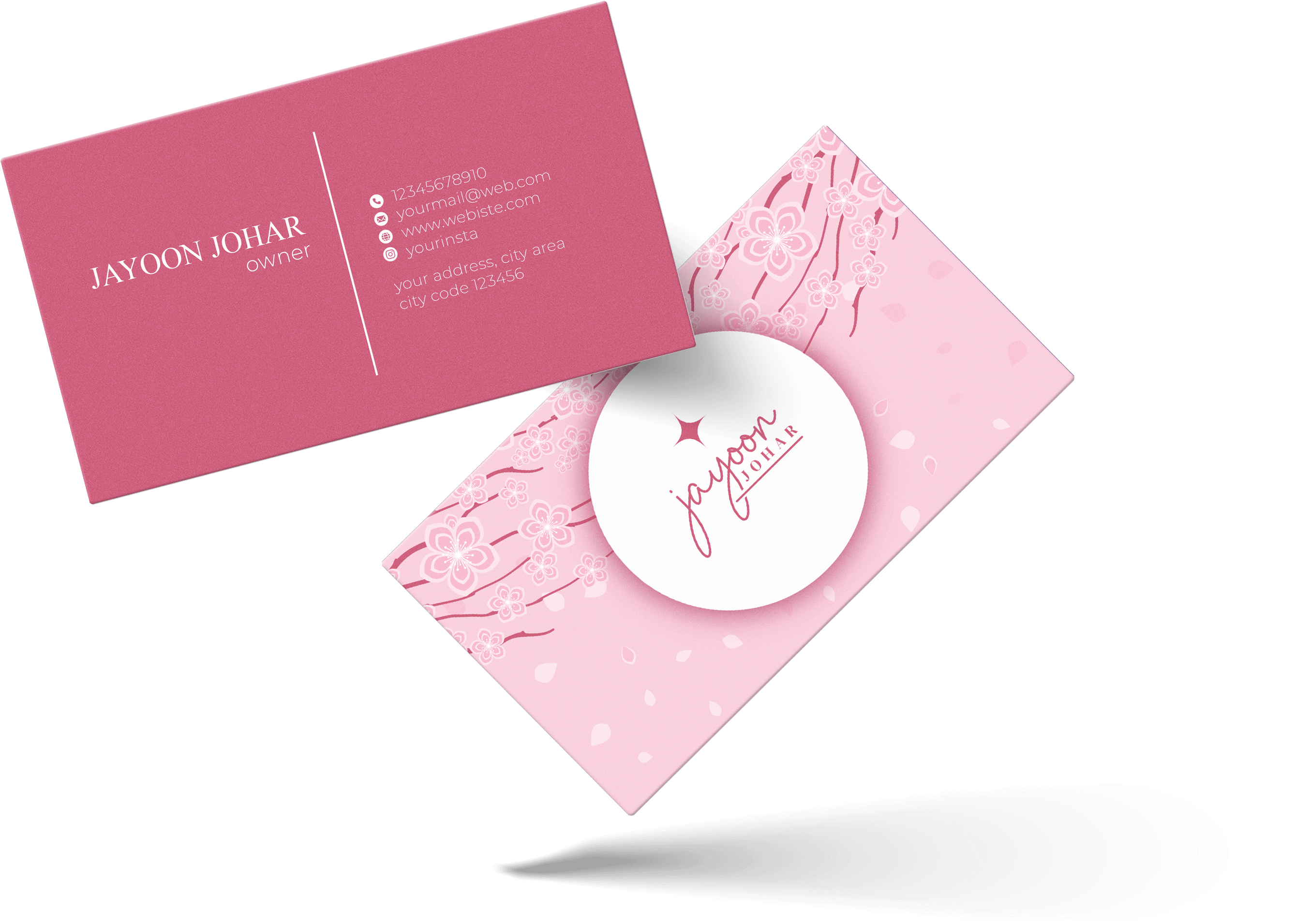
Have you ever received a business card so eye-catching that it made you pause? In a world of QR codes and LinkedIn connections, that simple, tangible rectangle can feel almost magical. Imagine you’re at a bustling tech conference, color screens all around, and suddenly someone hands you a thick, creatively embossed card. You stop scrolling on your phone and actually look.
This is the power of business card design – even in a sea of digital info, a well-designed card grabs attention and makes you remember the person handing it out. For a young professional, that’s proof that great business card design still matters. Remember: strong business card design tells people you mean business.
Contrary to what you might think, business card design hasn’t gone out of style – it’s evolved. Your card is a mini billboard in your pocket. It’s a physical piece of you and your brand that people take away. In short, handing someone a card they can feel makes them more likely to remember the meeting than just sending an email address.
A thoughtfully crafted card can connect to the person on the other side of the table in a way an email never can. For a busy professional, a great business card design is like giving your elevator pitch in person.
Heaps of startups and freelancers eventually get the experts involved, and there’s a good reason for it. Hiring a professional business card design services means your card isn't just your contact details; it actually starts a conversation.
Designers know exactly how to make your logo pop and keep the text easy to read, balancing the style so it looks sharp, not messy. A good pro will match the design to your specific vibe, whether you’re a minimalist techie or an artsy creative.
Instant Credibility: A polished card shows you mean business. Handing someone a crisp, quality card proves you care about the details and actually take your work seriously.
Memorable Impression: Creative touches like a glossy logo or bold colours really stick in people’s minds. Cards with a bit of character—like a unique shape or a photo—are way more likely to be kept than the plain boring ones.
Easy Connection: Modern designs are pretty clever, often using things like QR codes. A quick scan takes people straight to your portfolio or LinkedIn without them having to type a single thing. It’s just a much easier way to stay connected.
It’s one thing to say “I build apps,” and another to hand over a card with a sleek app icon and color palette that match your startup’s vibe. In that moment, the person in front of you feels your brand. It’s a mini marketing moment, and you only get a few seconds to make it count.
If your card looks like it came from a back-of-the-envelope scribble, you might as well have handed them a measly text file. Instead, aim for wow: an engaging layout, premium materials, or a fun twist that mirrors who you are. If you’re a creative professional, let your business card design reflect that passion.
.jpg)
Digital vs. Physical: A Hands-On Advantage
Sure, you have a smartphone – but have you ever been at an event where the Wi-Fi was worse than a bad punchline? Business cards work no matter where you are. They’re a reliable backup when apps fail or batteries die. Handing over a card lets you keep eye contact and a genuine smile. You don’t have to fumble for a “share contact” button in front of someone new. A card keeps the vibe personal and the conversation flowing.
- Reliable: No signal? No problem. Business cards don’t need Wi-Fi or a charged phone to work. They’re your offline fail-safe to make sure your info always reaches the right person. In fact, a strong business card design ensures you are still remembered, Wi-Fi or not.
- Trust-Building: About 39% of people say they won’t do business with someone who hands out a flimsy-looking card. That’s nearly two in five prospects lost – a clear sign that design quality matters.
- Cultural Significance: Around the world, exchanging business cards carries its own etiquette. Many professional cultures expect cards in meetings as a sign of respect. Even stateside, swapping cards is a timeless ritual at boardrooms and startup meetups alike.
At the end of the day, 85% of professionals prefer face-to-face meetings. Handing over a card instead of fumbling with your phone keeps the vibe personal and the meeting memorable.
Creative Trends in Business Card Design
Modern business cards break the mold. They might be plastic, metal, wood, or even embedded with seeds – anything to make people do a double-take. Staying on top of bold new business card design trends ensures your card gets noticed. Here are some ideas to make your card pop:
- Vibrant Colors: Gone are boring beige cards. Bold, bright colors grab attention and boost retention. For example, colored cards are kept far more often than plain ones. Pick hues that echo your brand or just catch the eye.
- Unique Materials: Think beyond standard card stock. Metal cards shout luxury, wood feels earthy, and translucent plastic looks futuristic. Unusual weight and texture spark curiosity in a stack of ordinary cards.
- Minimalist Look: Clean, simple designs are very on-trend. A single logo on a stark white or black card can feel modern and sophisticated. A minimalist layout keeps the focus on your key details (name, title, logo) and sends a quiet but confident statement.
|
Feature |
Business Card |
Digital Contact |
|---|---|---|
|
Tangibility |
A physical piece they can hold – and remember. |
Intangible, often forgotten in a sea of apps. |
|
First Impression |
Shows personality instantly through its design and feel. |
Relies on a quick digital profile or email preview. |
|
Reliability |
Always on hand (even in airplane mode or dead zones). |
Needs battery, signal, or app to access. |
|
Branding |
Reinforces your brand with logos, colors, and textures. |
Usually plain text/icons; less visual flair. |
|
Shareability |
Easily passed out at events – can even be given to others. |
Easy to forward online, but may get lost in the inbox. |
|
Sustainability |
Options like recycled or seed paper exist; uses resources. |
Environmentally friendly (no paper waste). |
Designing Your Standout Card
So what exactly goes into a great business card design? Think like a designer (or hire one). Clarity is key – clutter kills. Even FedEx Office advises focusing on the four Cs: clarity, color, consistency, and crispness.
- Clarity: Include only what people need (name, title, phone, email, website). Your name and logo should stand out. Use clean, legible fonts (Arial or Helvetica are popular choices). If someone needs a magnifying glass to read your card, it’s too small.
- Color: Use your brand colors, but keep it harmonious. Bright colors or a tasteful blend can show personality, while a black-and-white scheme says “classic and professional.” Make sure there’s strong contrast so every detail is easy to see.
- Consistency: Your card should look like part of your brand family. Match the logo style, fonts, and colors of your website or marketing materials. Inconsistent design – like clashing fonts or colors – can confuse people and dilute your brand.
- Crispness: Quality matters. Choose thick cardstock or special finishes (matte, gloss, soft-touch). A crisp, flawless card feels premium in hand. A well-crafted business card design is your silent introduction before you even say a word.
So invest a bit of extra effort here – it pays off. Small design choices send big signals. A well-designed card shows you’re detail-oriented; a clunky one might imply the opposite.
Conclusion
Business cards might seem like an old-school tool, but they’re still a powerful asset for today’s professionals. A smart business card design makes that vital first impression count. It helps you stick in a prospect’s memory, especially when so much interaction happens online.
Your business card is one of the last personal marketing tools you have – it works when technology doesn’t and leaves a tactile impression that a text can’t match. If you meet someone who could be a client or partner, handing them a sharp-looking card can speak volumes about your brand’s professionalism and creativity.
So next time you update your marketing plan, make sure business card design is on the list. For a modern entrepreneur, an eye-catching business card design can feel like a handshake from the future. After all, that card in your pocket might just be the key to your next opportunity. And remember: great business card design is a tangible connection that nothing purely online can replace.
Frequently Asked Questions
Too right. Even with all the apps and social media we’ve got, meeting face-to-face is still king. Most folks reckon a proper handshake and a chat beats an email any day, and a good-looking card just makes sure they remember you long after you’ve left the room.
Just keep it simple. You really only need the basics: your name, job title, company, and how to contact you (phone, email, and website). Don’t clutter it up with too much waffle. A clean layout with your logo is spot on, but give the long taglines a miss so people can actually read it at a glance.
It’s all about being clear and looking the part. Use fonts that are easy to read and stick to your brand colours, so people know who you are. Also, don’t skimp on the paper quality. A thick, sturdy card feels way more professional than a flimsy one. A bit of texture or a nice finish makes a big difference.
Digital cards are handy, but I wouldn’t chuck the paper ones just yet. Tech can play up, and tapping phones isn’t quite as personal as handing over a physical card. A smart move is to stick a QR code on your printed card—that way you get the best of both worlds without the tech headaches.
Definitely update it if you change your logo or grab a new phone number. Apart from that, maybe freshen it up every few years so it doesn’t look like it’s from the dark ages. If your card is looking a bit tired or dated, it’s probably time for a bit of a makeover.
For sure. A creative card gets people talking. If it looks interesting, people are way more likely to hang onto it or even show their mates. It just boosts the odds that they’ll actually give you a bell later rather than tossing the card in the bin.
.png)
.png)
Comments
Update Comment